Hydroponics for Beginners 2026 | Complete Start Guide

Home grower and obsessive researcher. Years in commercial product sourcing means I evaluate growing equipment the way a buyer does — specs, build quality, and real-world performance, not marketing claims.
Just so you know, some links on this page are affiliate links. If you buy something via them, we get a small kickback. You don't pay more, but it helps toward seeds and kit.
There's a moment that happens early in hydroponics — usually around week three of your first grow — when you lift the lid on your reservoir and see roots. Not just root tips, but genuine root architecture: white threads branching into a dense mass, hanging in oxygenated water. That's when the system clicks. You understand, viscerally, why this works. Everything the plant needs is right there. No soil to search through. Direct delivery to the root zone, and growth you can measure day by day.
Quick Picks: Beginner Equipment
| Item | Recommended | Why |
|---|---|---|
| First system | iDOO 12-Pod or DIY Kratky | Proven, simple |
| Nutrients | General Hydroponics Flora | The standard |
| pH test | pH drops or digital meter | Essential |
| pH adjustment | pH Down solution | You'll need this |
| First seeds | Basil and lettuce | Fast, forgiving |
The honest truth: You can start hydroponics for under $50 if you're willing to DIY. Or spend around $100-200 for a complete countertop system that eliminates setup decisions. Both approaches work.
Why Hydroponics Works
In soil, plants spend energy growing roots to find water and nutrients. In hydroponics, everything comes directly to the roots. That saved energy goes into faster growth.
Hydroponic plants typically grow 30-50% faster than soil-grown equivalents. They use up to 90% less water. And you can grow year-round regardless of outdoor conditions.
For a lot of growers it starts with wanting fresh basil in January. Grocery store herbs cost $3-4 and last three days. A hydroponic basil plant produces for months. The economics make the case before the gardening interest even kicks in.
The pH Factor
Here's what nobody tells beginners clearly enough: pH problems cause most hydroponic failures. Plants can only absorb nutrients within certain pH ranges.
Target pH: 5.5-6.5 for most crops.
US tap water typically runs pH 7-8. Adding nutrients usually drops it somewhat, but you'll likely need pH Down solution. Test pH after mixing nutrients. This single habit prevents most problems.
The Investment
Budget path (DIY Kratky): Containers $5-10, net pots and clay pebbles $15, nutrients $15-40, pH kit $10, seeds $5. Total: Around $50-80.
Convenient path (countertop unit): iDOO 12-Pod or similar, nutrients $15-40, pH kit, seeds. Total: Around $130-155.
Both approaches produce fresh herbs within 6 weeks.
Next Steps
1. Get a pH test kit before anything else 2. Choose your first system (Kratky or countertop) 3. Buy basic nutrients 4. Start with basil or lettuce 5. Read our pH guide - it's the most important thing you'll learn
Already comfortable with the basics? Our Kratky method guide walks you through the cheapest possible start, and the best hydroponic systems roundup covers every option.
Not sure where to start? Take our quiz for personalized recommendations.
The best time to start hydroponics is now, with whatever you have available. A mason jar, some nutrients, a seedling, and a windowsill is genuinely enough to experience the system working — roots in water, faster growth than soil, fresh basil in winter. Everything else builds from that first success. The learning curve is shallow at the beginning and deepens as your interest does.
Your First Hydroponic Setup: Exactly What to Do
The DIY Kratky approach — cheapest, most educational:
What you need (total cost around $45-60): - 1-quart mason jar, wrapped in black tape or aluminum foil - 2-inch net pot - Clay pebbles or rockwool cube - General Hydroponics Flora Gro (a small bottle) - pH drops and pH Down solution - Basil or lettuce seedling from a nursery, or seeds
Setup, step by step: 1. Mix nutrient solution: 5ml Flora Gro per gallon of water (half strength for beginners) 2. Test pH: US tap water typically runs 7.0-8.0 3. Add pH Down drop by drop until you hit 6.0-6.3 4. Fill jar to within an inch of the bottom of the net pot 5. Place clay pebbles in net pot, transplant seedling 6. The air gap between water surface and net pot is crucial — never fill right up 7. Place in bright light or under a grow lamp (16 hours on, 8 hours off)
Roots reach the water in 7-10 days. Growth rate visibly accelerates when they do.
The Three Things That Actually Matter
Beginners get overwhelmed by the breadth of information available. Here's what actually determines success:
1. pH (most important): 5.5-6.5 is the target range for most crops. Outside this range, plants can't absorb nutrients even if they're present in the water. Test every 2-3 days. Fix drift immediately with pH Down (more common) or pH Up.
2. Light (second most important): 14-16 hours daily for herbs and vegetables. South-facing windows in summer may suffice. For most US homes, most of the year, a dedicated grow light produces better results.
**3. Nutrients:** Follow the bottle. Start at half strength. Increase gradually. Most beginners overfeed, not underfeed.
Everything else — advanced nutrient chemistry, specific equipment brands, environmental controls — comes later.
Common Beginner Mistakes
Starting with difficult crops: Cherry tomatoes are more interesting than lettuce, but four times harder to manage successfully. Start with basil or butter lettuce, understand the system, then grow tomatoes.
Overcrowding: Each plant needs its own space. Crowded plants compete for light and airflow. Better to grow three healthy plants than seven struggling ones.
Ignoring pH: This one appears in every beginner guide because it's genuinely the most common failure point. Buy the pH test kit before anything else.
Not monitoring water levels: As plants grow and weather heats up, water consumption increases dramatically. A tomato plant in peak summer can drink a gallon a day. Check levels every day.
What Grows Best for US Beginners
Excellent first crops: - Basil — fastest, most forgiving, most rewarding - Butterhead lettuce — ready in 3-4 weeks, multiple harvests - Cilantro — fast, productive, far better flavor than store-bought - Spinach — grows year-round, handles lower temperatures
Step up to these after your first success: - Cherry tomatoes — need DWC or similar, more management - Cucumbers — vigorous, rewarding, need strong support and more space - Peppers — slow but productive over a long season
Grow Lights for US Beginners
If you're in the South or Southwest, summer growing with supplemental light is achievable with moderate windows. For the rest of the country, most of the year, dedicated grow lights make the difference between adequate and excellent results.
Starting recommendation: A 45-100W LED panel on a timer. Look at VIVOSUN, Spider Farmer, or AC Infinity brands — all have good reliability records and US-based customer support. Expect to spend $50-120 for a quality light that handles herbs and lettuce.
What to avoid: Any LED light that doesn't specify actual draw wattage. Marketing wattage (misleading) and actual wattage are often very different numbers.
Frequently Asked Questions
How often should I change the nutrient solution?
Kratky systems: top up with pH-adjusted plain water as levels drop; full change every 3-4 weeks or between crops. DWC and NFT: full reservoir change every 1-2 weeks to prevent salt buildup and nutrient imbalances.
Do I need to pH-adjust the water every time I top off?
Yes. Plain tap water is pH 7-8 and will raise your reservoir pH if added without adjustment. Mix and test before adding.
What if I go on vacation?
Kratky handles short absences (3-5 days) well — that's actually one of its advantages over pump-dependent systems. For longer trips, install a timer for lights, leave a full reservoir, and accept some pH drift.
Can you use tap water or do I need filtered water?
Tap water works fine in most US municipalities. Very high chlorine can stress plants — let water sit overnight or use dechlorinator drops. Very hard water (high mineral content) can interfere with nutrient uptake; if you're in Phoenix, Las Vegas, or similar hard-water cities, consider filtered water.
Is hydroponics complicated?
The concept is simple. The first setup takes an afternoon. The ongoing maintenance is a 5-10 minute daily check. The learning curve is real but shallow at the beginning — most beginners have healthy plants within 2 weeks and first harvests within a month. What it rewards is consistent attention, not technical expertise.
The best time to start is with whatever you have available right now. A mason jar, a packet of basil seeds, some nutrients, and a bright window is genuinely enough to experience what hydroponics does and why people get hooked on it.
Your First Hydroponic Setup: Exactly What to Do
The DIY Kratky approach — cheapest, most educational:
What you need (total cost around $45-60): - 1-quart mason jar, wrapped in black tape or aluminum foil - 2-inch net pot - Clay pebbles or rockwool cube - General Hydroponics Flora Gro (a small bottle) - pH drops and pH Down solution - Basil or lettuce seedling from a nursery, or seeds
Setup, step by step: 1. Mix nutrient solution: 5ml Flora Gro per gallon of water (half strength for beginners) 2. Test pH: US tap water typically runs 7.0-8.0 3. Add pH Down drop by drop until you hit 6.0-6.3 4. Fill jar to within an inch of the bottom of the net pot 5. Place clay pebbles in net pot, transplant seedling 6. The air gap between water surface and net pot is crucial — never fill right up 7. Place in bright light or under a grow lamp (16 hours on, 8 hours off)
Roots reach the water in 7-10 days. Growth rate visibly accelerates when they do.
The Three Things That Actually Matter
Beginners get overwhelmed by the breadth of information available. Here's what actually determines success:
1. pH (most important): 5.5-6.5 is the target range for most crops. Outside this range, plants can't absorb nutrients even if they're present in the water. Test every 2-3 days. Fix drift immediately with pH Down (more common) or pH Up.
2. Light (second most important): 14-16 hours daily for herbs and vegetables. South-facing windows in summer may suffice. For most US homes, most of the year, a dedicated grow light produces better results.
**3. Nutrients:** Follow the bottle. Start at half strength. Increase gradually. Most beginners overfeed, not underfeed.
Everything else — advanced nutrient chemistry, specific equipment brands, environmental controls — comes later.
Common Beginner Mistakes
Starting with difficult crops: Cherry tomatoes are more interesting than lettuce, but four times harder to manage successfully. Start with basil or butter lettuce, understand the system, then grow tomatoes.
Overcrowding: Each plant needs its own space. Crowded plants compete for light and airflow. Better to grow three healthy plants than seven struggling ones.
Ignoring pH: This one appears in every beginner guide because it's genuinely the most common failure point. Buy the pH test kit before anything else.
Not monitoring water levels: As plants grow and weather heats up, water consumption increases dramatically. A tomato plant in peak summer can drink a gallon a day. Check levels every day.
What Grows Best for US Beginners
Excellent first crops: - Basil — fastest, most forgiving, most rewarding - Butterhead lettuce — ready in 3-4 weeks, multiple harvests - Cilantro — fast, productive, far better flavor than store-bought - Spinach — grows year-round, handles lower temperatures
Step up to these after your first success: - Cherry tomatoes — need DWC or similar, more management - Cucumbers — vigorous, rewarding, need strong support and more space - Peppers — slow but productive over a long season
Grow Lights for US Beginners
If you're in the South or Southwest, summer growing with supplemental light is achievable with moderate windows. For the rest of the country, most of the year, dedicated grow lights make the difference between adequate and excellent results.
Starting recommendation: A 45-100W LED panel on a timer. Look at VIVOSUN, Spider Farmer, or AC Infinity brands — all have good reliability records and US-based customer support. Expect to spend $50-120 for a quality light that handles herbs and lettuce.
What to avoid: Any LED light that doesn't specify actual draw wattage. Marketing wattage (misleading) and actual wattage are often very different numbers.
Frequently Asked Questions
How often should I change the nutrient solution?
Kratky systems: top up with pH-adjusted plain water as levels drop; full change every 3-4 weeks or between crops. DWC and NFT: full reservoir change every 1-2 weeks to prevent salt buildup and nutrient imbalances.
Do I need to pH-adjust the water every time I top off?
Yes. Plain tap water is pH 7-8 and will raise your reservoir pH if added without adjustment. Mix and test before adding.
What if I go on vacation?
Kratky handles short absences (3-5 days) well — that's actually one of its advantages over pump-dependent systems. For longer trips, install a timer for lights, leave a full reservoir, and accept some pH drift.
Can you use tap water or do you need filtered water?
Tap water works fine in most US municipalities. Very high chlorine can stress plants — let water sit overnight or use dechlorinator drops. Very hard water (high mineral content) can interfere with nutrient uptake; if you're in Phoenix, Las Vegas, or similar hard-water cities, consider filtered water.
Is hydroponics complicated?
The concept is simple. The first setup takes an afternoon. The ongoing maintenance is a 5-10 minute daily check. The learning curve is real but shallow at the beginning — most beginners have healthy plants within 2 weeks and first harvests within a month. What it rewards is consistent attention, not technical expertise.
The best time to start is with whatever you have available right now. A mason jar, a packet of basil seeds, some nutrients, and a bright window is genuinely enough to experience what hydroponics does and why people get hooked on it.
What You'll Need With It
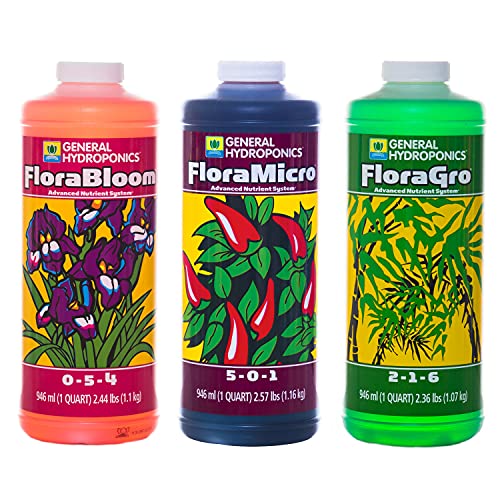
Complete 3-part nutrient system for all growth stages. Industry-standard formula used by beginners and professionals worldwide. 500ml each.

Accurate digital pH meter for precise nutrient solution monitoring. Includes calibration solutions and carrying case. Auto-temperature compensation.

Measures electrical conductivity (EC) and total dissolved solids (TDS) in nutrient solutions. Essential for precise nutrient management.
Products Mentioned in This Guide
Find Your Perfect Setup
Answer a few quick questions and get personalised recommendations.
Start the QuizFrequently Asked Questions
Related Guides
Ready to find your perfect setup?
Our quiz matches you with the right system, lights, and supplies.
Take the Quiz - It's FreeNo email required