
Best Hydroponic Nutrients 2026: Complete Buying Guide

Home grower and obsessive researcher. Years in commercial product sourcing means I evaluate growing equipment the way a buyer does — specs, build quality, and real-world performance, not marketing claims.
Just so you know, some links on this page are affiliate links. If you buy something via them, we get a small kickback. You don't pay more, but it helps toward seeds and kit.
In soil, you plant seeds and hope the chemistry works out. In hydroponics, you are the chemistry. Every element your plants need passes through your hands before it reaches their roots — nitrogen for leaf growth, phosphorus for fruiting, calcium for cell walls, iron in trace amounts. The precision is what makes hydroponic growing so satisfying when you get it right, and so diagnostic when something goes wrong.
Quick Picks: Best Hydroponic Nutrients 2026
Not sure which setup is right for you?
Take Our QuizThe honest truth: Nutrients matter, but not as much as pH management. A $15 nutrient bottle with proper pH control beats a $50 nutrient with ignored pH every time. Get your testing kit before worrying about premium nutrients. Our pH guide covers everything you need to know.
Understanding Nutrient Systems
One-Part Solutions
Simple and forgiving. A single bottle contains everything plants need. Mix the specified amount per gallon of water and you're done. FloraNova from General Hydroponics is the classic example.
Best for: Complete beginners, leafy greens, herbs, anyone who wants minimal complexity.
Two-Part Solutions (A and B)
The hydroponic standard. Separate bottles prevent certain nutrients from reacting before use. Mix equal parts A and B into your reservoir.
CANNA Aqua Vega exemplifies quality two-part systems. Dutch-formulated specifically for recirculating hydroponics, it delivers professional results with simple mixing. *(Price when reviewed: ~$35 | Check Price on Amazon)*
Three-Part Solutions
Maximum control. Separate Grow, Bloom, and Micro bottles let you adjust ratios for different crops and growth stages.
The General Hydroponics Flora series pioneered this approach. It's become the global standard with decades of proven results. NASA uses it for space station growing, which tells you something about reliability. *(Price when reviewed: ~$40 | Check Price on Amazon)*
Our Recommendations
**Best for Beginners: General Hydroponics Flora Series** Three-part flexibility with extensive beginner resources online. Decades of proven results across all crop types. Start at half strength, follow their feeding charts, and you'll succeed. *(Price when reviewed: ~$40 | Check Price on Amazon)*
**Best for Recirculating Systems: CANNA Aqua Vega** Specifically formulated for NFT and DWC. Very clean formula minimizes system buildup and residue. Dutch quality at reasonable price. *(Price when reviewed: ~$35 | Check Price on Amazon)*
For a closer look at what each nutrient does and how to diagnose deficiencies, see our [complete nutrients guide](/guides/hydroponic-ph-guide-us) on pH management.
Take our quiz to get nutrient recommendations matched to your specific crops and system type.
There's a particular satisfaction in diagnosing a nutrient problem and fixing it. Yellow leaves that green up within days of a pH correction. Stunted growth that takes off once you dial back the EC for younger plants. The feedback loop in hydroponics is fast and clear — you change something, and the plant tells you whether you got it right. That directness is what makes growing in water so absorbing once you start paying attention.
General Hydroponics Flora: The Deep Dive
The Flora Series (FloraMicro, FloraGro, FloraBloom) has been the benchmark for three-part hydroponic nutrients for decades. Understanding why helps you use it better.
FloraMicro delivers nitrogen, calcium, trace minerals. It's the base formula that works for all growth stages.
FloraGro adds additional nitrogen and potassium for vegetative growth. Use more during leafy, expanding growth phases.
FloraBloom shifts the balance toward phosphorus and potassium for flowering and fruiting.
Simple starting ratio for herbs and lettuce: - Equal parts Micro, Gro, and Bloom at half strength - 5ml of each per gallon, adjust from there
For fruiting plants: - Increase Bloom, reduce Gro as plants start flowering - Follow GH's published feeding charts for your specific crop
NASA famously used General Hydroponics for space station plant growing experiments. Not because it's the only option that works, but because the consistency and documentation made it tractable for systematic experiments. The same attributes make it excellent for home growers building intuition.
Nutrient Brands by Growing Style
Complete beginners: General Hydroponics Flora Series — more flexibility than one-part, extensive online resources, widely available at Walmart and Amazon. (Around $40 for the 3-quart starter set)
Simplicity first: FloraNova Grow (single bottle for vegetative) or General Hydroponics MaxiGro (dry concentrate, economical). One-part solutions that remove mixing complexity.
CANNA products: Dutch-formulated, regarded as premium tier. CANNA Aqua Vega is specifically designed for recirculating systems (DWC, NFT). Very clean formula, minimal system buildup. (Around $35)
Jack's 321: Increasingly popular with experienced growers. Three dry components mixed in a specific ratio. Very economical at scale (pounds of concentrate last a long time), excellent plant response. Less beginner-friendly due to mixing requirements.
EC/TDS Targets
EC (electrical conductivity) measures nutrient solution strength. All US hydroponic meters measure in mS/cm (EC) or ppm (TDS). EC is more precise.
| Crop | Seedling EC | Veg EC | Flower/Fruit EC |
|---|---|---|---|
| Lettuce | 0.8-1.2 | 1.0-2.0 | — |
| Herbs | 0.8-1.2 | 1.2-1.6 | — |
| Tomatoes | 2.0-2.5 | 2.5-3.0 | 3.0-4.5 |
| Peppers | 1.5-2.0 | 2.0-3.0 | 2.5-3.5 |
| Cucumbers | 1.5-2.0 | 2.0-2.5 | 2.0-3.0 |
Start seedlings at the lower end. Build up gradually as plants establish. If leaves show tip burn (brown crispy edges), EC is too high.
CalMag Supplementation
Calcium-Magnesium supplements are frequently recommended — but whether you need them depends on your water.
Soft water areas (Pacific Northwest, New England): CalMag supplementation is often beneficial. Your water lacks the mineral content that hard water contains naturally.
Hard water areas (Southwest, Florida): Often unnecessary. Your tap water already contains significant calcium and magnesium. Adding more can cause nutrient imbalances.
General Hydroponics CALiMAGic is the standard US option. Botanicare Cal-Mag Plus is another widely-used choice. Add before nutrients in your mixing sequence.
Organic Nutrients: The Trade-Offs
Organic hydroponic nutrients work but come with complications:
Pros: - Soil-like biological complexity with associated flavor compounds - Sustainable sourcing resonates with many growers
Cons: - Less predictable nutrient availability (dependent on biological breakdown) - More biofilm buildup in systems - Harder to diagnose and correct deficiencies - Generally higher cost
For beginners: stick to synthetic nutrients and understand the basics first. Once you have reliable results with conventional nutrients, explore organic approaches if the philosophy appeals.
Frequently Asked Questions
How do I know when nutrient solution needs changing?
Change the full reservoir every 1-2 weeks in active recirculating systems regardless of appearance. For Kratky, refresh when 3-4 weeks old or if plants show deficiency symptoms despite adequate EC. Old solution accumulates sodium, chloride, and other compounds that aren't fully measured by EC meters.
Can you mix brands?
Generally yes, but it's not recommended when starting out. Different brands use different nutrient carriers — mixing can cause precipitation. Once you understand your system, mixing nutrients from the same manufacturer's line is usually fine.
Why is my nutrient solution turning green?
Algae growth. Light is reaching your reservoir. This isn't immediately harmful to plants but algae competes for nutrients and creates conditions favorable to root pathogens. Block the light source immediately.
Do I need to add anything else beyond the main nutrient line?
For beginners: no. Base nutrients cover everything required. Additives (beneficial bacteria, enzymes, silica) have their place in experienced growing but add complexity without guaranteed benefit for first-time growers.
The best nutrient strategy for beginners is the simplest one that works consistently. Master pH management first, dial in the right EC for your crops, and resist the urge to add supplements until you understand what baseline success looks like.
Deficiency Identification and Correction
The ability to read deficiency symptoms transforms troubleshooting from guesswork to diagnosis. Here's what each common deficiency looks like and how to fix it.
Nitrogen Deficiency Symptom: Older lower leaves yellow first, progressively moving upward. Plants look pale and grow slowly. Cause: Low EC, pH too high (above 7), or formula too low in nitrogen for current growth stage. Fix: Check pH first (always). Increase nitrogen if pH is correct. Switch to higher-nitrogen grow formula if in fruiting stage you've been using bloom nutrients.
Iron Deficiency (Interveinal Chlorosis) Symptom: Yellowing between veins on youngest leaves, while veins stay green. Cause: Almost always pH too high (above 6.5). Iron becomes insoluble above this pH. Fix: Lower pH to 5.5-6.0. Iron deficiency resolves within 2-3 days once pH is corrected. One of the most common hydroponic issues.
Calcium Deficiency Symptom: Distorted, curled young leaves. Brown spots on older leaves. Blossom end rot on tomatoes. Fix: Ensure pH is below 6.5 for calcium availability. Add CalMag supplement in soft water areas. Improve airflow across the canopy (calcium moves via transpiration).
Potassium Deficiency Symptom: Brown, scorched-looking leaf edges on older leaves. Plants look generally unhealthy. Cause: Low potassium in formula, pH outside optimal range. Fix: Verify pH and EC are correct. Switch to bloom-focused nutrients with higher K levels for fruiting plants.
Phosphorus Deficiency Symptom: Purple or reddish discoloration on leaf undersides, particularly with young plants. Cause: pH too low (below 5.0) or truly insufficient phosphorus. Cold temperatures also lock out phosphorus. Fix: Keep pH above 5.5 and below 6.5. Maintain temperatures above 60°F (15°C).
Complete Nutrient Shopping Guide for US Growers
Beyond the products already covered, here's where to source and what to look for:
General Hydroponics (Richmond, CA): The most widely distributed brand at US retailers. Available at Home Depot, Walmart, most garden centers, Amazon, and hydroponic specialty shops. If you want to buy locally and test before committing to larger quantities, this is your easiest option.
CANNA (Dutch): Premium Dutch brand available through specialty hydroponic retailers and Amazon. Slightly higher cost but consistently excellent results. Their CANNA Aqua line is specifically optimized for recirculating hydroponic systems.
Botanicare (Phoenix, AZ): US-made nutrients with strong distribution through western US hydroponic shops and Amazon. Their Pure Blend Pro series appeals to growers wanting more natural ingredients.
**Jack's Nutrients (J.R. Peters, PA):** Commercial-grade dry concentrate. Lower cost per gallon than liquid nutrients once you buy the 25-pound bags. More complex to mix initially but extremely economical at scale. Popular among experienced growers.
Where to buy: - Amazon: Convenient, competitive pricing, fast delivery - HTG Supply: National chain with physical stores, knowledgeable staff - Hydrobuilder.com: Online-only, excellent selection and pricing - Local hydroponic shops: Search "hydro store" — staff knowledge varies but often excellent
Frequently Asked Questions About Nutrient Brands
Is more expensive always better?
Not reliably. The General Hydroponics Flora series produces results competitive with premium brands at $80-100. What matters more than brand is consistency of application, pH management, and appropriate EC for your crops.
**Can you use nutrients past their expiration date?**
Liquid nutrients generally remain effective for 12-18 months after opening if stored correctly (sealed, away from direct light, room temperature). Dry concentrates like Jack's last years when stored dry. Don't throw away nutrients just because of a printed date.
Why does my nutrient solution smell bad?
Organic nutrients naturally have stronger smells than synthetic ones. Synthetic nutrients with foul odors in solution usually indicate bacterial growth — change the reservoir immediately and clean the system before refilling.
How do I know when to increase EC?
Plant growth rate guides this. Seedlings doing well at EC 1.0? Keep it there until they're established, then increase gradually to 1.5. Watch for tip burn (too high) or pale, slow growth (too low) and adjust accordingly.
Should you use additives and boosters?
Not until you've had consistent success with base nutrients alone. Additives (beneficial bacteria, enzymes, silica, bloom boosters) have their place in experienced growing. For beginners, they add complexity without clear benefit until you understand what your baseline results look like.
The right nutrient strategy is the simplest one that produces healthy plants. Master pH first, use consistent EC targets, ## What to Avoid
**Single-part nutrients marketed as "complete" solutions:** Most one-part formulas make compromises to stay stable in liquid form, particularly around calcium and phosphorus (which precipitate when concentrated together). Quality three-part systems let you dial ratios to crop stage. The convenience cost is real yield reduction once you move beyond herbs.
**Nutrients with undisclosed NPK ratios:** Reputable brands list their exact guaranteed analysis on the label. If a product's marketing avoids specific numbers, that is a signal. You need to know what you're adding to your reservoir to adjust for deficiencies.
**Organic nutrients in recirculating systems without enzyme support:** Organic matter feeds bacteria that will colonize your reservoir, tubing, and root zone. In a recirculating system (DWC, NFT, drip), this quickly becomes a slime problem that's difficult to eradicate. If you want organic, use it in Kratky or wick systems where the solution isn't circulated. In recirculating systems, stick with mineral nutrients.
PK boosters in early vegetative stage: Phosphorus/potassium supplements are designed for late flowering. Using them during vegetative growth burns roots and creates nutrient lockout. Only add PK supplements in the last 3-4 weeks before harvest on flowering crops.
**Nutrients with added fulvic/humic acid in the same bottle as calcium:** Humic acid chelates calcium and reduces its availability. Some budget brands include these together as a selling point, but the chemistry is counterproductive. Quality brands keep these separate for good reason.
change reservoirs regularly, and let your plants show you what they need before adding complexity.
General Hydroponics Flora: The Deep Dive
The Flora Series (FloraMicro, FloraGro, FloraBloom) has been the benchmark for three-part hydroponic nutrients for decades. Understanding why helps you use it better.
FloraMicro delivers nitrogen, calcium, trace minerals. It's the base formula that works for all growth stages.
FloraGro adds additional nitrogen and potassium for vegetative growth. Use more during leafy, expanding growth phases.
FloraBloom shifts the balance toward phosphorus and potassium for flowering and fruiting.
Simple starting ratio for herbs and lettuce: - Equal parts Micro, Gro, and Bloom at half strength - 5ml of each per gallon, adjust from there
For fruiting plants: - Increase Bloom, reduce Gro as plants start flowering - Follow GH's published feeding charts for your specific crop
NASA famously used General Hydroponics for space station plant growing experiments. Not because it's the only option that works, but because the consistency and documentation made it tractable for systematic experiments. The same attributes make it excellent for home growers building intuition.
Nutrient Brands by Growing Style
Complete beginners: General Hydroponics Flora Series — more flexibility than one-part, extensive online resources, widely available at Walmart and Amazon. (Around $40 for the 3-quart starter set)
Simplicity first: FloraNova Grow (single bottle for vegetative) or General Hydroponics MaxiGro (dry concentrate, economical). One-part solutions that remove mixing complexity.
CANNA products: Dutch-formulated, regarded as premium tier. CANNA Aqua Vega is specifically designed for recirculating systems (DWC, NFT). Very clean formula, minimal system buildup. (Around $35)
Jack's 321: Increasingly popular with experienced growers. Three dry components mixed in a specific ratio. Very economical at scale (pounds of concentrate last a long time), excellent plant response. Less beginner-friendly due to mixing requirements.
EC/TDS Targets
EC (electrical conductivity) measures nutrient solution strength. All US hydroponic meters measure in mS/cm (EC) or ppm (TDS). EC is more precise.
| Crop | Seedling EC | Veg EC | Flower/Fruit EC |
|---|---|---|---|
| Lettuce | 0.8-1.2 | 1.0-2.0 | — |
| Herbs | 0.8-1.2 | 1.2-1.6 | — |
| Tomatoes | 2.0-2.5 | 2.5-3.0 | 3.0-4.5 |
| Peppers | 1.5-2.0 | 2.0-3.0 | 2.5-3.5 |
| Cucumbers | 1.5-2.0 | 2.0-2.5 | 2.0-3.0 |
Start seedlings at the lower end. Build up gradually as plants establish. If leaves show tip burn (brown crispy edges), EC is too high.
CalMag Supplementation
Calcium-Magnesium supplements are frequently recommended — but whether you need them depends on your water.
Soft water areas (Pacific Northwest, New England): CalMag supplementation is often beneficial. Your water lacks the mineral content that hard water contains naturally.
Hard water areas (Southwest, Florida): Often unnecessary. Your tap water already contains significant calcium and magnesium. Adding more can cause nutrient imbalances.
General Hydroponics CALiMAGic is the standard US option. Botanicare Cal-Mag Plus is another widely-used choice. Add before nutrients in your mixing sequence.
Organic Nutrients: The Trade-Offs
Organic hydroponic nutrients work but come with complications:
Pros: - Soil-like biological complexity with associated flavor compounds - Sustainable sourcing resonates with many growers
Cons: - Less predictable nutrient availability (dependent on biological breakdown) - More biofilm buildup in systems - Harder to diagnose and correct deficiencies - Generally higher cost
For beginners: stick to synthetic nutrients and understand the basics first. Once you have reliable results with conventional nutrients, explore organic approaches if the philosophy appeals.
Frequently Asked Questions
How do I know when nutrient solution needs changing?
Change the full reservoir every 1-2 weeks in active recirculating systems regardless of appearance. For Kratky, refresh when 3-4 weeks old or if plants show deficiency symptoms despite adequate EC. Old solution accumulates sodium, chloride, and other compounds that aren't fully measured by EC meters.
Can I mix brands?
Generally yes, but it's not recommended when starting out. Different brands use different nutrient carriers — mixing can cause precipitation. Once you understand your system, mixing nutrients from the same manufacturer's line is usually fine.
Why is my nutrient solution turning green?
Algae growth. Light is reaching your reservoir. This isn't immediately harmful to plants but algae competes for nutrients and creates conditions favorable to root pathogens. Block the light source immediately.
Do I need to add anything else beyond the main nutrient line?
For beginners: no. Base nutrients cover everything required. Additives (beneficial bacteria, enzymes, silica) have their place in experienced growing but add complexity without guaranteed benefit for first-time growers.
The best nutrient strategy for beginners is the simplest one that works consistently. Master pH management first, dial in the right EC for your crops, and resist the urge to add supplements until you understand what baseline success looks like.
Deficiency Identification and Correction
The ability to read deficiency symptoms transforms troubleshooting from guesswork to diagnosis. Here's what each common deficiency looks like and how to fix it.
Nitrogen Deficiency Symptom: Older lower leaves yellow first, progressively moving upward. Plants look pale and grow slowly. Cause: Low EC, pH too high (above 7), or formula too low in nitrogen for current growth stage. Fix: Check pH first (always). Increase nitrogen if pH is correct. Switch to higher-nitrogen grow formula if in fruiting stage you've been using bloom nutrients.
Iron Deficiency (Interveinal Chlorosis) Symptom: Yellowing between veins on youngest leaves, while veins stay green. Cause: Almost always pH too high (above 6.5). Iron becomes insoluble above this pH. Fix: Lower pH to 5.5-6.0. Iron deficiency resolves within 2-3 days once pH is corrected. One of the most common hydroponic issues.
Calcium Deficiency Symptom: Distorted, curled young leaves. Brown spots on older leaves. Blossom end rot on tomatoes. Fix: Ensure pH is below 6.5 for calcium availability. Add CalMag supplement in soft water areas. Improve airflow across the canopy (calcium moves via transpiration).
Potassium Deficiency Symptom: Brown, scorched-looking leaf edges on older leaves. Plants look generally unhealthy. Cause: Low potassium in formula, pH outside optimal range. Fix: Verify pH and EC are correct. Switch to bloom-focused nutrients with higher K levels for fruiting plants.
Phosphorus Deficiency Symptom: Purple or reddish discoloration on leaf undersides, particularly with young plants. Cause: pH too low (below 5.0) or truly insufficient phosphorus. Cold temperatures also lock out phosphorus. Fix: Keep pH above 5.5 and below 6.5. Maintain temperatures above 60°F (15°C).
Complete Nutrient Shopping Guide for US Growers
Beyond the products already covered, here's where to source and what to look for:
General Hydroponics (Richmond, CA): The most widely distributed brand at US retailers. Available at Home Depot, Walmart, most garden centers, Amazon, and hydroponic specialty shops. If you want to buy locally and test before committing to larger quantities, this is your easiest option.
CANNA (Dutch): Premium Dutch brand available through specialty hydroponic retailers and Amazon. Slightly higher cost but consistently excellent results. Their CANNA Aqua line is specifically optimized for recirculating hydroponic systems.
Botanicare (Phoenix, AZ): US-made nutrients with strong distribution through western US hydroponic shops and Amazon. Their Pure Blend Pro series appeals to growers wanting more natural ingredients.
**Jack's Nutrients (J.R. Peters, PA):** Commercial-grade dry concentrate. Lower cost per gallon than liquid nutrients once you buy the 25-pound bags. More complex to mix initially but extremely economical at scale. Popular among experienced growers.
Where to buy: - Amazon: Convenient, competitive pricing, fast delivery - HTG Supply: National chain with physical stores, knowledgeable staff - Hydrobuilder.com: Online-only, excellent selection and pricing - Local hydroponic shops: Search "hydro store" — staff knowledge varies but often excellent
Frequently Asked Questions About Nutrient Brands
Is more expensive always better?
Not reliably. The General Hydroponics Flora series produces results competitive with premium brands at $80-100. What matters more than brand is consistency of application, pH management, and appropriate EC for your crops.
**Can you use nutrients past their expiration date?**
Liquid nutrients generally remain effective for 12-18 months after opening if stored correctly (sealed, away from direct light, room temperature). Dry concentrates like Jack's last years when stored dry. Don't throw away nutrients just because of a printed date.
Why does my nutrient solution smell bad?
Organic nutrients naturally have stronger smells than synthetic ones. Synthetic nutrients with foul odors in solution usually indicate bacterial growth — change the reservoir immediately and clean the system before refilling.
How do I know when to increase EC?
Plant growth rate guides this. Seedlings doing well at EC 1.0? Keep it there until they're established, then increase gradually to 1.5. Watch for tip burn (too high) or pale, slow growth (too low) and adjust accordingly.
Should you use additives and boosters?
Not until you've had consistent success with base nutrients alone. Additives (beneficial bacteria, enzymes, silica, bloom boosters) have their place in experienced growing. For beginners, they add complexity without clear benefit until you understand what your baseline results look like.
The right nutrient strategy is the simplest one that produces healthy plants. Master pH first, use consistent EC targets, change reservoirs regularly, and let your plants show you what they need before adding complexity.
What You'll Need With It

Accurate digital pH meter for precise nutrient solution monitoring. Includes calibration solutions and carrying case. Auto-temperature compensation.

Measures electrical conductivity (EC) and total dissolved solids (TDS) in nutrient solutions. Essential for precise nutrient management.
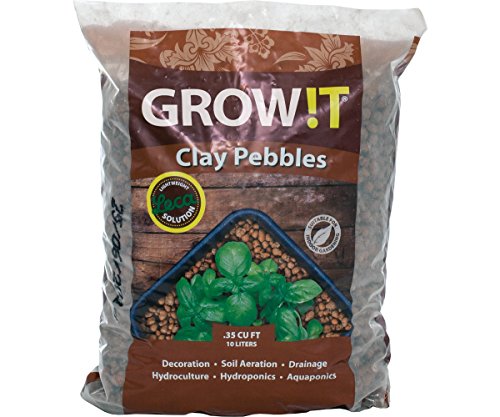
Lightweight expanded clay growing medium for hydroponic systems. Provides excellent drainage and aeration. Reusable and pH neutral.
Products Mentioned in This Guide
Find Your Perfect Setup
Answer a few quick questions and get personalised recommendations.
Start the QuizFrequently Asked Questions
Related Guides
Ready to find your perfect setup?
Our quiz matches you with the right system, lights, and supplies.
Take the Quiz - It's FreeNo email required