Hydroponics for Beginners UK

Home grower and obsessive researcher. Years in commercial product sourcing means I evaluate growing equipment the way a buyer does — specs, build quality, and real-world performance, not marketing claims.
Just so you know, some links on this page are affiliate links. If you buy something via them, we get a small kickback. You don't pay more, but it helps toward seeds and kit.
There's a moment that happens early in hydroponics — usually around week three of your first grow — when you lift the lid on your reservoir and see roots. Not just root tips, but genuine root architecture: white threads branching into a dense mass, hanging in oxygenated water. That's when the system clicks. You understand, viscerally, why this works. Everything the plant needs is right there. No soil to search through, no distance to bridge. Direct delivery to the root zone, and growth you can measure day by day.
Quick Picks: Beginner Equipment
Not sure which setup is right for you?
Take Our QuizThe honest truth: You can start hydroponics for under £50 if you're willing to DIY. Or spend around £120 for a complete countertop system that eliminates setup decisions. Both approaches work.
Why Hydroponics Works
In soil, plants spend energy growing roots to find water and nutrients. The root system expands constantly, searching through soil particles for what the plant needs.
In hydroponics, everything comes directly to the roots. Nutrients dissolve in water. Roots access them immediately. That saved energy goes into faster growth.
Hydroponic plants typically grow 30-50% faster than soil-grown equivalents. They use up to 90% less water because nothing evaporates from soil or drains away. And you can grow year-round regardless of outdoor conditions.
For a lot of growers it starts with wanting fresh basil in January. UK supermarket herbs cost £1.50 and last three days. A hydroponic basil plant produces for months. The economics make the case before the gardening interest even kicks in.
What You Actually Need
The complete list for a basic hydroponic setup:
1. A container that holds water (anything works) 2. Net pots or something to hold plants 3. Growing medium (clay pebbles work well) 4. Nutrients designed for hydroponics 5. Light (window or grow light) 6. pH testing kit
That's it. Everything else is optimisation.
You don't need automated dosing systems, expensive monitors, or professional-grade equipment. Those things help experienced growers, but they're not required to grow your first lettuce.
Start Simple: The Kratky Method
Fill a container with nutrient solution. Place a plant in a net pot so roots touch the water. Leave an air gap between the water surface and the bottom of the net pot. The plant grows.
No pumps, no timers, no complexity. Mason jars work. Storage boxes work. Anything that holds water and blocks light from the solution works.
The method works because as plants drink, the water level drops naturally. Roots that were submerged become exposed to air, getting oxygen. New roots grow downward to follow the water. The system regulates itself.
Your first Kratky setup: 1. Clean mason jar wrapped in foil (blocks light) 2. Net pot that fits the jar opening 3. Clay pebbles to hold the plant 4. Nutrient solution at half strength 5. Basil seedling with roots touching water
Total cost: Around £15-20. Time to first harvest: 4-6 weeks.
Best First Crops
Lettuce: Fast, forgiving, ready in 4-6 weeks. Tolerates beginner mistakes. Cut leaves from the outside and it keeps producing.
Basil: Grows eagerly in hydroponics. One plant produces for 3-4 months if you harvest properly (pinch above leaf nodes). The economics are excellent.
Spinach: Quick to harvest, regrows after cutting. Tolerates lower light than some crops.
Pak choi and rocket: Fast greens that work well in simple systems.
Mint: Virtually indestructible. Will take over if you let it, but that's a good problem.
Avoid tomatoes and peppers initially. They need more light, more nutrients, more attention, and more space. Graduate to them after success with greens.
The pH Factor
Here's what nobody tells beginners clearly enough: pH problems cause most hydroponic failures.
Plants can only absorb nutrients within certain pH ranges. Too high or too low, and nutrients become chemically unavailable. The plant starves even when surrounded by food.
Target pH: 5.5-6.5 for most crops.
UK tap water typically runs pH 7-8. Adding nutrients usually drops it somewhat, but you'll likely need pH Down solution to reach the target range.
Test pH after mixing nutrients. Adjust before adding plants. Check every few days. This single habit prevents most problems.
What to Avoid
Starting too complex: A 12-site NFT system with automated dosing is impressive but unnecessary. Start with one plant. Succeed. Then scale.
Ignoring pH: Already mentioned, but worth repeating. Get a test kit. Use it.
Overfeeding: More nutrients doesn't mean more growth. It means burnt leaf tips and stressed plants. Start at half the recommended strength. Our nutrient calculator takes the guesswork out of that first mix by working out amounts for your exact reservoir size.
**Poor lighting:** A north-facing window won't grow healthy vegetables. Either find bright light or invest in a grow light.
Giving up after one failure: Your first attempt might fail. That's normal. Seeds might not germinate. Roots might rot. pH might drift. Each failure teaches something specific.
Realistic Expectations
Most people see good results by their third or fourth grow. Give yourself permission to learn.
Your first lettuce might be leggy. Your first basil might bolt early. These aren't failures - they're education. Each attempt teaches you something about your specific conditions.
The learning curve exists but isn't steep. pH management is the steepest part. Once you understand that, everything else becomes refinement.
The Investment
Budget path (DIY Kratky): - Containers: £5-10 - Net pots and clay pebbles: £10 - Nutrients: £12 - pH kit: £8-10 - Seeds: £3 - Total: Around £40-50
Convenient path (countertop unit): - iDOO 12-Pod or similar: Around £100 - Nutrients: £12 - pH kit: £8-10 - Seeds: £3 - Total: Around £125
Both approaches produce fresh herbs within 6 weeks of starting.
UK Growing Conditions
There's one thing beginners in the UK consistently underestimate: how little light our winters provide.
Between October and March, even a south-facing window rarely delivers enough light to grow vegetables properly. Days are short, light intensity is low, and the angle of the sun keeps PAR levels inadequate for most crops. Plants grow slowly, stretch toward the glass, and lack flavour.
This doesn't mean you need to spend hundreds on a grow light immediately. It means setting realistic expectations:
- Window-only in winter: Expect slow growth, leggy plants, mild herbs. Works for maintaining plants but not heavy production. - Grow light in any season: Consistent results regardless of weather. The difference is significant.
A basic 45-65W LED panel costs around £30-50 and covers a small shelf or windowsill setup. Add one, and year-round growing becomes straightforward rather than a seasonal battle against British weather.
UK tap water: Most UK water is on the harder side, meaning higher calcium and magnesium content. This affects your pH calculation and nutrient mixing. Hard water typically reads pH 7.2-7.8, which needs adjusting down to 5.5-6.5 before your plants go in. Check your local water hardness on your water company's website if you want the detail.
Common Beginner Questions
How long until I can harvest anything? Basil: 4-6 weeks from seedling. Lettuce cut-and-come-again: 3-4 weeks. Mint: usable almost immediately from a cutting. Tomatoes: 10-14 weeks from transplant. Start with fast crops to build confidence.
Do I need to be home every day? Not for Kratky. Check water level and pH twice a week. Countertop units are similar. Active systems (DWC with pumps) need more attention but not daily. Most setups handle two to three days away without issues.
What if my plants die? Start again. Most failures are pH or light-related and are immediately diagnosable once you know what to look for. Each failure teaches something specific. Three grows builds more knowledge than six months of reading about it.
Next Steps
1. Get a pH test kit before anything else 2. Choose your first system (Kratky or countertop) 3. Buy basic nutrients 4. Start with basil or lettuce 5. Read our pH guide - it's the most important thing you'll learn
Already comfortable with the basics? Our Kratky method guide walks you through the cheapest possible start, and the best hydroponic systems roundup covers every option if you want to spend a bit more. And once a leafy crop or two has gone well, our hydroponic strawberries guide is a satisfying next challenge: real fruit from the same techniques.
Not sure where to start? Take our quiz for personalised recommendations based on your space and goals.
The best time to start hydroponics is now, with whatever you have available. A mason jar, some nutrients, a seedling, and a windowsill is genuinely enough to experience the system working — roots in water, faster growth than soil, fresh basil in winter. Everything else builds from that first success. The learning curve is shallower than it looks from the outside, and the first harvest makes it all click.
Your First Setup: Step by Step
Here's exactly what to do for a first hydroponic grow — using DIY Kratky because it costs next to nothing and teaches you everything that matters.
What you need: - 1L mason jar (foil-wrapped to exclude light) - 2-inch net pot - Clay pebbles or rockwool cube - Formulex nutrients - pH drops or test kit - Basil or lettuce seedling (or seeds) - pH Down solution (likely needed)
Setup takes about 20 minutes:
1. Mix nutrient solution: 5ml Formulex per litre of water 2. Test pH: tap water typically runs pH 7-8 — you'll probably need 3-5ml of pH Down per litre 3. Target pH: 5.8-6.2 for herbs, 5.5-6.0 for lettuce 4. Fill jar to within 2cm of the bottom of the net pot 5. Transplant seedling into net pot with clay pebbles supporting it 6. The air gap between water surface and net pot bottom is crucial — never fill all the way to the top 7. Place in bright light or under a grow lamp
First week: Roots will grow downward toward the water. Don't disturb. Week two: You'll see white root hairs emerging from the net pot. Good sign. Week three: Roots hit the water. Growth accelerates noticeably.
Common Beginner Mistakes
Overfilling the reservoir: No air gap means drowning roots. Leave 2-3cm between water surface and net pot.
Ignoring pH: The single most common cause of failure. Test every time you mix nutrients.
Using too much nutrient: Start at half the recommended strength. Plants stressed by overfeeding recover slowly.
Expecting soil speeds: Hydroponic basil actually grows faster than soil, but expect 4-6 weeks from seedling before heavy harvesting.
Not changing the solution: Top up with pH-adjusted water. Do a full solution change every 2-3 weeks to prevent salt buildup.
What Grows Best for Beginners
Excellent first crops: - Basil — grows fast, highly forgiving, delicious reward - Lettuce — quickest harvest (3-4 weeks), tolerates pH drift - Spinach — grows year-round, doesn't need high light - Coriander — flavour is significantly better than supermarket
More challenging (tackle after first success): - Tomatoes — need larger system, more nutrients, pollination - Cucumbers — vigorous growers, need strong support - Peppers — slow to mature, need consistent conditions
Scaling Up: What's Next
Once you've had a successful first grow, the natural progression depends on what you enjoyed:
Kratky worked but want more plants: Scale horizontally. More jars, more herbs. A shelf with 6-8 mason jars grows enough herbs for a household.
Want to grow larger plants: Move to DWC (deep water culture). A 20L bucket with an air pump handles tomatoes or peppers.
Want automation: Countertop units like the iDOO have timers and pumps built in. NFT systems run continuously with minimal intervention.
Frequently Asked Questions
Do I need a grow light?
For south-facing windowsills in summer — possibly not. But for most UK homes, most of the year, a grow light makes the difference between success and disappointment. Even a £25 LED panel on a timer works well for herbs and lettuce.
How long between reservoir changes?
Kratky: top up with pH-adjusted plain water as levels drop. Full solution change every 3-4 weeks or between crops.
Why are my plant's roots brown?
New hydroponic growers often panic about brown roots. Root staining from nutrients is normal and harmless — roots look tea-coloured but are firm and healthy. Unhealthy roots are soft, slimy, and smell bad. If they pass the smell and texture test, they're fine.
Can I grow organically in hydroponics?
Yes, but it's more complex. Organic nutrients (fish emulsion, seaweed extracts) don't dissolve as cleanly and can cause more biofilm buildup. Most beginners are better off with synthetic nutrients and clean systems, then exploring organic approaches with experience.
How often should I check pH?
Daily is ideal, but every 2-3 days works in stable systems. pH drifts as plants consume nutrients — catching it early prevents problems. Build the habit before anything goes wrong.
The best hydroponic gardener isn't the one with the most sophisticated system — it's the one who checks their plants consistently and catches small problems before they become big ones. The system you'll actually maintain is better than the system you'll abandon after three weeks.
Your First Setup: Step by Step
Here's exactly what to do for a first hydroponic grow — using DIY Kratky because it costs next to nothing and teaches you everything that matters.
What you need: - 1L mason jar (foil-wrapped to exclude light) - 2-inch net pot - Clay pebbles or rockwool cube - Formulex nutrients - pH drops or test kit - Basil or lettuce seedling (or seeds) - pH Down solution (likely needed)
Setup takes about 20 minutes:
1. Mix nutrient solution: 5ml Formulex per litre of water 2. Test pH: tap water typically runs pH 7-8 — you'll probably need 3-5ml of pH Down per litre 3. Target pH: 5.8-6.2 for herbs, 5.5-6.0 for lettuce 4. Fill jar to within 2cm of the bottom of the net pot 5. Transplant seedling into net pot with clay pebbles supporting it 6. The air gap between water surface and net pot bottom is crucial — never fill all the way to the top 7. Place in bright light or under a grow lamp
First week: Roots will grow downward toward the water. Don't disturb. Week two: You'll see white root hairs emerging from the net pot. Good sign. Week three: Roots hit the water. Growth accelerates noticeably.
Common Beginner Mistakes
Overfilling the reservoir: No air gap means drowning roots. Leave 2-3cm between water surface and net pot.
Ignoring pH: The single most common cause of failure. Test every time you mix nutrients.
Using too much nutrient: Start at half the recommended strength. Plants stressed by overfeeding recover slowly.
Expecting soil speeds: Hydroponic basil actually grows faster than soil, but expect 4-6 weeks from seedling before heavy harvesting.
Not changing the solution: Top up with pH-adjusted water. Do a full solution change every 2-3 weeks to prevent salt buildup.
What Grows Best for Beginners
Excellent first crops: - Basil — grows fast, highly forgiving, delicious reward - Lettuce — quickest harvest (3-4 weeks), tolerates pH drift - Spinach — grows year-round, doesn't need high light - Coriander — flavour is significantly better than supermarket
More challenging (tackle after first success): - Tomatoes — need larger system, more nutrients, pollination - Cucumbers — vigorous growers, need strong support - Peppers — slow to mature, need consistent conditions
Scaling Up: What's Next
Once you've had a successful first grow, the natural progression depends on what you enjoyed:
Kratky worked but want more plants: Scale horizontally. More jars, more herbs. A shelf with 6-8 mason jars grows enough herbs for a household.
Want to grow larger plants: Move to DWC (deep water culture). A 20L bucket with an air pump handles tomatoes or peppers.
Want automation: Countertop units like the iDOO have timers and pumps built in. NFT systems run continuously with minimal intervention.
Frequently Asked Questions
Do I need a grow light?
For south-facing windowsills in summer — possibly not. But for most UK homes, most of the year, a grow light makes the difference between success and disappointment. Even a £25 LED panel on a timer works well for herbs and lettuce.
How long between reservoir changes?
Kratky: top up with pH-adjusted plain water as levels drop. Full solution change every 3-4 weeks or between crops.
Why are my plant's roots brown?
New hydroponic growers often panic about brown roots. Root staining from nutrients is normal and harmless — roots look tea-coloured but are firm and healthy. Unhealthy roots are soft, slimy, and smell bad. If they pass the smell and texture test, they're fine.
Can I grow organically in hydroponics?
Yes, but it's more complex. Organic nutrients (fish emulsion, seaweed extracts) don't dissolve as cleanly and can cause more biofilm buildup. Most beginners are better off with synthetic nutrients and clean systems, then exploring organic approaches with experience.
How often should I check pH?
Daily is ideal, but every 2-3 days works in stable systems. pH drifts as plants consume nutrients — catching it early prevents problems. Build the habit before anything goes wrong.
The best hydroponic gardener isn't the one with the most sophisticated system — it's the one who checks their plants consistently and catches small problems before they become big ones. The system you'll actually maintain is better than the system you'll abandon after three weeks.
What You'll Need With It
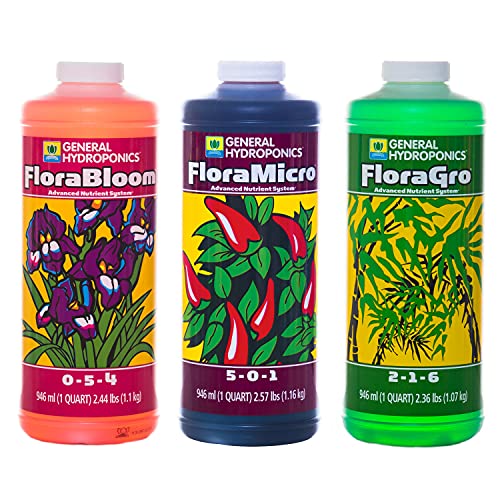
Complete 3-part nutrient system for all growth stages. Industry-standard formula used by beginners and professionals worldwide. 500ml each.

Accurate digital pH meter for precise nutrient solution monitoring. Includes calibration solutions and carrying case. Auto-temperature compensation.

Measures electrical conductivity (EC) and total dissolved solids (TDS) in nutrient solutions. Essential for precise nutrient management.
Products Mentioned in This Guide
Find Your Perfect Setup
Answer a few quick questions and get personalised recommendations.
Start the QuizFrequently Asked Questions
Related Guides
Ready to find your perfect setup?
Our quiz matches you with the right system, lights, and supplies.
Take the Quiz - It's FreeNo email required