Indoor Herb Garden 2026: Complete Growing Guide

Home grower and obsessive researcher. Years in commercial product sourcing means I evaluate growing equipment the way a buyer does — specs, build quality, and real-world performance, not marketing claims.
Just so you know, some links on this page are affiliate links. If you buy something via them, we get a small kickback. You don't pay more, but it helps toward seeds and kit.
Fresh herbs whenever you want them. No more $3-4 plastic packages that wilt within days. An indoor herb garden is the most practical entry point to hydroponics, and the economics make sense immediately.
Quick Picks: Indoor Herb Setup
| Approach | Cost | Effort | Best For |
|---|---|---|---|
| Windowsill Kratky | Around $25-35 | Low | Beginners, south-facing windows |
| Countertop system | Around $100-200 | Very low | Convenience, any location |
| Shelf with grow light | Around $120-180 | Medium | Multiple herbs, serious production |
| Small grow tent | Around $300-450 | Medium | Year-round, maximum control |
The honest truth: A simple mason jar Kratky setup on a bright windowsill grows excellent herbs for almost nothing. But countertop units like the iDOO and AeroGarden eliminate all the hassle if you just want herbs without learning hydroponics.
Why Herbs Work Indoors
Most culinary herbs are naturally compact. They tolerate varying conditions better than fruiting vegetables. And the economics are compelling:
Grocery store basil: $3-4, lasts 3 days Hydroponic basil plant: $2 for seedling + $1 in nutrients, produces for 3-4 months
One basil plant produces $40-60 worth of grocery store equivalent over its productive life. A small herb garden pays for itself within weeks.
Best Herbs to Start
Basil (highly recommended): Fast growing, eager in hydroponics. Keep pinching above leaf nodes to encourage bushing. One basil plant supplies a household.
Mint (virtually indestructible): Grows enthusiastically in any hydroponic system. Warning: mint takes over. Keep it in its own container.
Cilantro (moderate difficulty): Some varieties bolt quickly in warm conditions. Look for slow-bolt varieties like 'Calypso' or 'Santo'. Harvest leaves young and often.
Parsley (slow but productive): Slower to establish (6-8 weeks to first harvest). But once growing, it produces for many months.
Chives (easy and attractive): Easy and ornamental. Grows well in lower light than most herbs.
Our Recommendations
For complete beginners with bright windows: Start with Kratky mason jars. Grow basil and mint. Learn the basics for minimal investment.
For convenience seekers: Get an iDOO 12-Pod or AeroGarden. Plug in, add water and nutrients, grow herbs. No hydroponics knowledge required. (iDOO: budget-friendly | AeroGarden: a step up)
For serious herb production: Set up a shelf with a grow light. Multiple Kratky containers or a small NFT system. Year-round production regardless of windows.
If you're going the Kratky route, our Kratky method guide covers everything in detail. For choosing nutrients, see the best hydroponic nutrients roundup. And don't skip the pH guide.
Take our quiz for recommendations based on your space, budget, and which herbs you want to grow.
An indoor herb garden works best as a habit rather than a project. Check it while the coffee brews. Pinch a few basil leaves before you start cooking. Top up the water on Sundays. Small interventions, repeated consistently, produce plants that are always at peak flavor and always available. That's what grocery store herbs can never be — because they're cut, packaged, and shipped before you ever see them.
The Economics: Why This Makes Sense
Before getting into specifics, the numbers make a compelling case.
A packet of fresh supermarket basil costs $2-3 and lasts 3-5 days. One hydroponic basil plant costs about $5 in seedling + $2-3 in monthly nutrients and produces harvests for 3-4 months. At supermarket prices, one plant produces the equivalent of $25-45 in basil during its life.
A full herb garden — basil, mint, cilantro, chives, parsley — produces the equivalent of $100-150 in supermarket herbs over a season, from an initial investment of $50-100 in equipment.
The electricity cost for a small herb setup runs $6-12/month. The math works, particularly for fresh herbs you use regularly.
Herb Profiles: What Works Best
Basil The standout hydroponic performer. Grows 2-3x faster than soil. Harvest by pinching above leaf nodes — the plant branches and produces more.
Key rule: remove flower buds immediately when they appear. Once basil flowers, flavor deteriorates within days. Aggressive harvesting prevents this.
Temperature sensitive — needs above 65°F (18°C) and ideally 70-80°F (21-27°C). Doesn't tolerate cold.
Mint Virtually indestructible. Grows vigorously and requires more containment than encouragement. Spearmint, peppermint, chocolate mint, and Kentucky colonel all work excellently.
Caution: mint grows aggressively via runners. Keep it in its own container or it overwhelms neighbors.
Cilantro Fast-growing and produces more intensely flavored leaves than most supermarket herbs. Bolts (goes to seed) in heat — keep temperatures below 75°F (24°C) for longest production. When it bolts, seeds are coriander — a bonus crop.
Chives Easiest hydroponic herb. Cut to 2-3 inches from the base and they regrow in 7-10 days. A single net pot supplies more chives than most households use.
Parsley Takes 3-4 weeks to establish before meaningful harvest. Once established, produces for months. Both curly and flat-leaf (Italian) work well. Keep well-watered — parsley shows stress quickly when roots dry out.
Oregano and Thyme Mediterranean herbs that prefer slightly drier conditions than basil or mint. Work in hydroponics but soil growing in pots on a sunny windowsill is simpler for these two specifically.
System Recommendations
Absolute simplest: DIY Kratky in mason jars. One quart jar per herb, wrapped in tape or foil. Fits on a kitchen counter or shelf. Start here if you've never grown hydroponically.
More plants, more convenience: AeroGarden Harvest (6 pods, $100-130) or iDOO 12-Pod ($90-100). Built-in lights, timers, pumps. Minimal decisions. Works well for herbs.
Dedicated herb room: NFT channels or multiple DWC setups under quality LED lighting. Produces more volume but requires more management.
Best US option for beginners: The iDOO 12-Pod at $90-100 handles 12 small herb plants with excellent results. Better plant count per dollar than AeroGarden, though AeroGarden's ecosystem has better support resources.
US Light Considerations
Regional variation matters:
Southern states (Texas, Florida, California, Arizona): South-facing windows work reasonably well year-round for herbs. Supplement with a grow light for best results. Summer indoor temperatures may exceed basil's comfort zone.
Northern states (Minnesota, Maine, Michigan, Pacific Northwest): Winter light is insufficient for most herbs without supplementation. A 45-100W LED on a 16-hour timer transforms winter herb production. This is where indoor hydroponics really earns its place.
Midwest: A 16-hour LED timer on herbs through October-March maintains steady production. May growing can often rely on natural light.
Harvesting for Maximum Production
The harvest technique dramatically affects how long plants produce:
Pinch, don't strip: Cut stems 4-6 inches from the top, just above a leaf node. The plant branches from that cut and produces two new growing tips where one existed.
Regular harvesting keeps plants juvenile: Plants that are harvested regularly stay in vegetative mode longer. Plants that are left to grow unchecked naturally move toward flowering and going to seed.
One-third rule: Never harvest more than one-third of a plant at once. Remove more and the plant stresses and may not recover fully.
Frequently Asked Questions
How often can I harvest?
Basil and mint: every 7-14 days once established. Chives: every 7-10 days. Parsley: every 10-14 days after establishment. You'll develop a sense for when each plant has enough new growth to harvest.
Can herbs share a reservoir?
Yes. Most culinary herbs have similar nutrient requirements and compatible pH preferences (5.5-6.5). Running shared reservoir for basil, mint, chives, and cilantro works fine.
My herbs are growing but not as fast as I expected. Why?
Most likely: insufficient light. This is the most common limiting factor in US homes. Even a bright window rarely delivers enough intensity for peak herb growth. A dedicated grow light makes a significant difference. Second most common cause: temperature below 65°F (basil and mint especially slow at cool temperatures).
Do I need to change the nutrient solution?
For Kratky: top up with pH-adjusted plain water as needed, full change every 3-4 weeks or between crops. For systems with reservoirs: change every 1-2 weeks.
The payback on a hydroponic herb garden — both economic and culinary — happens within weeks. Fresh basil for pasta, mint for cocktails, cilantro for tacos, all from a shelf in your kitchen. The setup takes an afternoon, the ongoing maintenance is minutes per day, and the benefit is continuous.
The Economics: Why This Makes Sense
Before getting into specifics, the numbers make a compelling case.
A packet of fresh supermarket basil costs $2-3 and lasts 3-5 days. One hydroponic basil plant costs about $5 in seedling + $2-3 in monthly nutrients and produces harvests for 3-4 months. At supermarket prices, one plant produces the equivalent of $25-45 in basil during its life.
A full herb garden — basil, mint, cilantro, chives, parsley — produces the equivalent of $100-150 in supermarket herbs over a season, from an initial investment of $50-100 in equipment.
The electricity cost for a small herb setup runs $6-12/month. The math works, particularly for fresh herbs you use regularly.
Herb Profiles: What Works Best
Basil The standout hydroponic performer. Grows 2-3x faster than soil. Harvest by pinching above leaf nodes — the plant branches and produces more.
Key rule: remove flower buds immediately when they appear. Once basil flowers, flavor deteriorates within days. Aggressive harvesting prevents this.
Temperature sensitive — needs above 65°F (18°C) and ideally 70-80°F (21-27°C). Doesn't tolerate cold.
Mint Virtually indestructible. Grows vigorously and requires more containment than encouragement. Spearmint, peppermint, chocolate mint, and Kentucky colonel all work excellently.
Caution: mint grows aggressively via runners. Keep it in its own container or it overwhelms neighbors.
Cilantro Fast-growing and produces more intensely flavored leaves than most supermarket herbs. Bolts (goes to seed) in heat — keep temperatures below 75°F (24°C) for longest production. When it bolts, seeds are coriander — a bonus crop.
Chives Easiest hydroponic herb. Cut to 2-3 inches from the base and they regrow in 7-10 days. A single net pot supplies more chives than most households use.
Parsley Takes 3-4 weeks to establish before meaningful harvest. Once established, produces for months. Both curly and flat-leaf (Italian) work well. Keep well-watered — parsley shows stress quickly when roots dry out.
Oregano and Thyme Mediterranean herbs that prefer slightly drier conditions than basil or mint. Work in hydroponics but soil growing in pots on a sunny windowsill is simpler for these two specifically.
System Recommendations
Absolute simplest: DIY Kratky in mason jars. One quart jar per herb, wrapped in tape or foil. Fits on a kitchen counter or shelf. Start here if you've never grown hydroponically.
More plants, more convenience: AeroGarden Harvest (6 pods, $100-130) or iDOO 12-Pod ($90-100). Built-in lights, timers, pumps. Minimal decisions. Works well for herbs.
Dedicated herb room: NFT channels or multiple DWC setups under quality LED lighting. Produces more volume but requires more management.
Best US option for beginners: The iDOO 12-Pod at $90-100 handles 12 small herb plants with excellent results. Better plant count per dollar than AeroGarden, though AeroGarden's ecosystem has better support resources.
US Light Considerations
Regional variation matters:
Southern states (Texas, Florida, California, Arizona): South-facing windows work reasonably well year-round for herbs. Supplement with a grow light for best results. Summer indoor temperatures may exceed basil's comfort zone.
Northern states (Minnesota, Maine, Michigan, Pacific Northwest): Winter light is insufficient for most herbs without supplementation. A 45-100W LED on a 16-hour timer transforms winter herb production. This is where indoor hydroponics really earns its place.
Midwest: A 16-hour LED timer on herbs through October-March maintains steady production. May growing can often rely on natural light.
Harvesting for Maximum Production
The harvest technique dramatically affects how long plants produce:
Pinch, don't strip: Cut stems 4-6 inches from the top, just above a leaf node. The plant branches from that cut and produces two new growing tips where one existed.
Regular harvesting keeps plants juvenile: Plants that are harvested regularly stay in vegetative mode longer. Plants that are left to grow unchecked naturally move toward flowering and going to seed.
One-third rule: Never harvest more than one-third of a plant at once. Remove more and the plant stresses and may not recover fully.
Frequently Asked Questions
How often can I harvest?
Basil and mint: every 7-14 days once established. Chives: every 7-10 days. Parsley: every 10-14 days after establishment. You'll develop a sense for when each plant has enough new growth to harvest.
Can herbs share a reservoir?
Yes. Most culinary herbs have similar nutrient requirements and compatible pH preferences (5.5-6.5). Running shared reservoir for basil, mint, chives, and cilantro works fine.
My herbs are growing but not as fast as I expected. Why?
Most likely: insufficient light. This is the most common limiting factor in US homes. Even a bright window rarely delivers enough intensity for peak herb growth. A dedicated grow light makes a significant difference. Second most common cause: temperature below 65°F (basil and mint especially slow at cool temperatures).
Do I need to change the nutrient solution?
For Kratky: top up with pH-adjusted plain water as needed, full change every 3-4 weeks or between crops. For systems with reservoirs: change every 1-2 weeks.
The payback on a hydroponic herb garden — both economic and culinary — happens within weeks. Fresh basil for pasta, mint for cocktails, cilantro for tacos, all from a shelf in your kitchen. The setup takes an afternoon, the ongoing maintenance is minutes per day, and the benefit is continuous.
What You'll Need With It
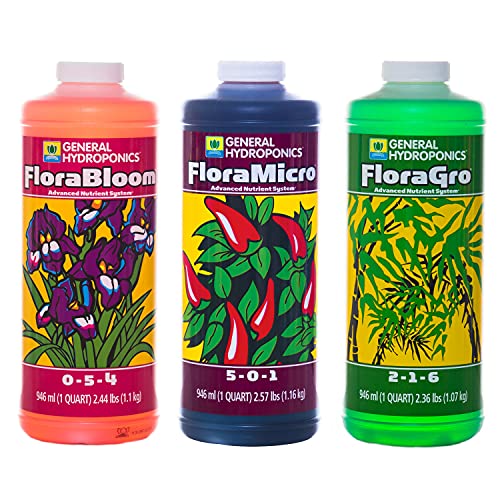
Complete 3-part nutrient system for all growth stages. Industry-standard formula used by beginners and professionals worldwide. 500ml each.

Accurate digital pH meter for precise nutrient solution monitoring. Includes calibration solutions and carrying case. Auto-temperature compensation.

Measures electrical conductivity (EC) and total dissolved solids (TDS) in nutrient solutions. Essential for precise nutrient management.
Products Mentioned in This Guide
Find Your Perfect Setup
Answer a few quick questions and get personalised recommendations.
Start the QuizFrequently Asked Questions
Related Guides
Ready to find your perfect setup?
Our quiz matches you with the right system, lights, and supplies.
Take the Quiz - It's FreeNo email required