Indoor Herb Garden Guide UK

Home grower and obsessive researcher. Years in commercial product sourcing means I evaluate growing equipment the way a buyer does — specs, build quality, and real-world performance, not marketing claims.
Just so you know, some links on this page are affiliate links. If you buy something via them, we get a small kickback. You don't pay more, but it helps toward seeds and kit.
Fresh herbs whenever you want them. No more £2 plastic packets that wilt within days. An indoor herb garden is perhaps the most practical entry point to hydroponics - and the economics make sense immediately.
Quick Picks: Indoor Herb Setup
| Approach | Cost | Effort | Best For |
|---|---|---|---|
| Windowsill Kratky | Around £20-30 | Low | Beginners, south-facing windows |
| Countertop system | Around £80-120 | Very low | Convenience, any location |
| Shelf with grow light | Around £100-150 | Medium | Multiple herbs, serious production |
| Small grow tent | Around £200-300 | Medium | Year-round, maximum control |
The honest truth: A simple mason jar Kratky setup on a bright windowsill grows excellent herbs for almost nothing. But countertop units like the iDOO eliminate all faff if you just want herbs without learning hydroponics.
Why Herbs Work Indoors
Most culinary herbs are naturally compact. They tolerate varying conditions better than fruiting vegetables. Harvesting is continuous rather than all-at-once. And the economics are compelling:
Supermarket basil: £1.50, lasts 3 days Hydroponic basil plant: £2 for seedling + £1 in nutrients, produces for 3-4 months
One basil plant produces £30-50 worth of supermarket equivalent over its productive life. A small herb garden pays for itself within weeks. Microgreens run on the same quick-payback logic, and my hydroponic microgreens guide covers a crop you harvest within two weeks of sowing.
Best Herbs to Start
Basil (highly recommended): Fast growing, eager in hydroponics. Harvest leaves continuously for months of production. Needs warmth (above 15C) and good light.
Keep pinching above leaf nodes to encourage bushing. If you let it flower, it'll go bitter and seed. Pinch off flower buds as they form.
One basil plant supplies a household. Start with two to have backup while one recovers from heavy harvesting.
Mint (virtually indestructible): Grows enthusiastically in any hydroponic system. Various types work - spearmint, peppermint, chocolate mint. Contains naturally antifungal compounds that make it disease-resistant.
Warning: mint takes over. In shared systems, keep it separate or it'll crowd everything else. In its own container, it produces abundantly with minimal care.
Coriander (moderate difficulty): Some varieties bolt quickly in warm conditions. Look for slow-bolt varieties like 'Calypso' or 'Confetti'. Harvest leaves young and often.
Coriander dislikes transplanting - direct sow seeds into your hydroponic system rather than starting elsewhere.
Parsley (slow but productive): Slower to establish than basil - expect 6-8 weeks to first harvest. But once growing, it produces for many months. Both flat-leaf and curly varieties work well.
Germination is slow (2-3 weeks). Be patient.
Chives (easy and attractive): Easy and ornamental. Harvest by cutting stems close to base - regrows repeatedly. Flowers are edible too.
Grows well in lower light than most herbs. Good for north-facing windows with supplemental lighting.
Oregano and thyme (possible with care): Both prefer drier conditions than most herbs. Work in hydroponics but need careful attention to root health. Not ideal beginner choices.
Light Requirements
The critical factor for indoor herbs.
Herbs need 12-16 hours of bright light daily. A sunny south-facing window covers you for 6-8 months of the year. During UK winter (October-March), even south-facing windows are marginal.
Signs of insufficient light: - Leggy, stretched stems reaching toward window - Pale leaves with weak flavour - Slow growth - Sparse foliage
Solutions:
Move plants closer to windows. Even 30cm difference matters.
Add supplemental lighting. A small LED panel (around 20-50W) transforms results. Costs around £40-80.
Use a countertop unit with built-in lights. The iDOO and similar systems include adequate lighting for herbs.
Simple Kratky Herb Setup
What you need: - Mason jars (1 litre for single herbs) - Net pots (2-inch fits most jar openings) - Clay pebbles - Nutrients (Formulex or similar, one-part) - pH test kit - Foil or opaque covering for jars
Setup: 1. Wrap jar in foil to block light (prevents algae) 2. Fill with water, add nutrients at half strength, adjust pH to 5.5-6.5 3. Add clay pebbles to net pot 4. Place seedling so roots touch or nearly touch water 5. Position in bright location or under grow light 6. Top up water only when nearly empty (maintain air gap)
Cost: Around £20-30 total for 3-4 jars plus supplies.
Maintenance: Check water level weekly. Add plain water as needed (not more nutrients - concentration increases as plants drink). Fresh solution every 4-6 weeks.
Countertop Hydroponic Units
For maximum convenience, countertop units like the iDOO 12-Pod bundle everything.
What you get: - Built-in reservoir with pump - LED grow lights with timer - Net pots and growing medium - Usually nutrient samples
What you do: - Add water and nutrients - Plant seeds or seedlings - Adjust light height as plants grow - Top up water weekly
Cost: Around £80-120 for a 12-pod system.
Our take: More expensive than DIY but genuinely convenient. If you want herbs without learning hydroponics, these work well. The built-in lights mean placement anywhere - no window required.
Harvesting Properly
Poor harvesting technique is why most shop-bought herbs die quickly. Proper harvesting keeps plants productive for months.
Basil: - Pinch stems just above a leaf node (where leaves meet stem) - Never take more than 1/3 of the plant at once - Harvest from the top to encourage bushier growth - Remove flower buds as they appear
Mint: - Cut stems above leaf joints - It branches and regrows quickly - Regular cutting prevents legginess - Can handle aggressive harvesting
Parsley: - Harvest outer stems first - Cut at base, not partway up stems - Let centre continue growing - Leave at least 5-6 stems on the plant
Coriander: - Cut outer leaves first - Harvest before any flowering starts - Once it bolts (flowers), leaves turn bitter - Let some plants flower for coriander seeds
General rule: Harvest regularly to encourage bushy growth. Neglected herbs become leggy and sparse.
What to Avoid
Overwatering in soil pots: The main reason shop herbs die. Hydroponics eliminates this issue - roots access what they need.
Insufficient light: The main reason indoor herbs fail. Budget for lighting if you don't have excellent natural light.
Not harvesting enough: Herbs need regular cutting to stay bushy and productive. Weekly harvesting is fine - plants recover quickly.
Treating it like decoration: Herbs are productive plants, not houseplants. They need regular attention, proper feeding, and continuous harvesting.
Growing too many varieties at once: Start with 2-3 herbs you actually use. Add more once those are established.
The Economics
Single basil plant: - Seedling or seeds: £1-2 - Share of nutrients and supplies: £1-2 - Total investment: Around £3 - Productive life: 3-4 months - Yield: Equivalent to 15-25 supermarket packets - Value: £25-40 - Return: 8-13x investment
Small herb garden (6 herbs): - Setup (DIY Kratky): £30 - Ongoing nutrients: £10-15/year - Annual yield value: £150-250
The economics are compelling once you're actually harvesting and using what you grow.
Our Recommendations
For complete beginners with bright windows: Start with Kratky mason jars. Grow basil and mint. Learn the basics for minimal investment.
For convenience seekers: Get an iDOO 12-Pod or similar countertop system. Plug in, add water and nutrients, grow herbs. No hydroponics knowledge required.
For serious herb production: Set up a shelf with a grow light. Multiple Kratky containers or a small NFT system. Year-round production regardless of windows.
If you're going the Kratky route, our Kratky method guide covers everything in detail. For choosing nutrients, see the best hydroponic nutrients roundup. And don't skip the pH guide - it's the single most important thing to understand.
Take our quiz for recommendations based on your space, budget, and which herbs you want to grow.
Common Questions
Can I grow herbs under a north-facing window?
With supplemental lighting, yes. Without it, most culinary herbs won't thrive — they need 12+ hours of adequate light and a north-facing window in the UK delivers too little light, especially October through March. A small grow light panel (around £40-60) resolves this completely and makes any room viable for herbs year-round.
How do I stop basil from bolting?
Remove flower buds the moment they appear — don't wait until flowers open. Once a basil plant flowers, it redirects energy into seed production and leaf flavour declines noticeably. Pinch off flower heads weekly during the warmer months. Regular harvesting also delays bolting by keeping the plant in active vegetative growth.
My herbs are growing but taste weak — what's wrong?
Almost always insufficient light. Herbs grown in low light produce leaves with diluted flavour compounds — the plant grows but doesn't have enough energy for the oils that create flavour. Move plants closer to a window, or add a small LED panel. Slight underfeeding can also reduce flavour — check that your EC is at an appropriate level rather than too dilute.
An indoor herb garden works best as a habit rather than a project. Check it while you wait for the kettle. Pinch a few basil leaves before you start cooking. Top up the water on Sunday. Small interventions, repeated consistently, produce plants that are always at peak flavour and always available. That's what supermarket herbs can never be — because they're cut, packaged, and shipped before you ever see them.
Herb-by-Herb Growing Guide
Basil
The standout performer in hydroponic herb gardens. Grows 2-3x faster than soil. Harvest by pinching stems just above a leaf node — the plant branches and produces more growth.
Critical detail: pinch off flower buds the moment they appear. Once basil flowers, it redirects energy to seed production and flavour deteriorates within days. Aggressive harvesting actually extends productive life by preventing flowering.
Temperature sensitive — stops growing below 15°C and growth rate drops significantly below 18°C. If your growing space gets cold in winter, basil underperforms. Cilantro or mint handle cooler conditions better.
Mint
Virtually indestructible in hydroponics. Grows vigorously and requires more containment than encouragement. Harvest generously — cutting mint back by a third actually encourages better regrowth than light trimming.
Worth noting: mint contains naturally antifungal compounds that make it more disease-resistant than most herbs. If you're having trouble with other herbs, mint almost certainly won't cause the same issues.
Chives
Grow quickly from seed or division. Harvest by cutting the tops down to 2-3cm from the net pot — they regrow within a week. A single net pot of chives produces more than most households use.
Coriander (Cilantro)
Controversial in the UK — some people are genetically predisposed to find it soapy-tasting, but for those who love it, hydroponic coriander is significantly more intense than supermarket versions. Bolts (goes to seed) in heat — grows best in cooler conditions under moderate light. Use cut-and-come-again harvesting and replace the crop every 4-5 weeks.
Parsley
Slow to establish — 3-4 weeks from seed before meaningful harvest. Once established, produces prolifically for months. Curly parsley and flat-leaf Italian both work equally well. Keep well watered; parsley doesn't tolerate drying out.
Thyme and Rosemary
Mediterranean herbs that prefer drier conditions — easier in containers than in very active hydro systems. A pot of compost-grown rosemary often outperforms a hydroponic version for these specific herbs. Worth trying, but not the strongest hydro candidates.
Setting Up for Continuous Harvest
The goal is a production rotation that means something is always ready to harvest:
- Weeks 1-2: plant basil and mint from seedlings - Week 3: add chives and parsley - Week 5: first serious basil harvest - Week 7: parsley matures; begin rotation planning - Week 8: start new basil seedling to replace any that's bolting
With 4-6 net pots, stagger planting by 2-3 weeks so you're never waiting for everything to mature simultaneously.
The Economics, Honestly
Supermarket herbs: £1.50-2.50 per packet, lasts 3-7 days before wilting Hydroponic equivalent: £2-5 for seedling + £1.50-2 nutrients per month
One basil plant in a hydroponic setup produces for 2-4 months with regular harvesting. At supermarket prices, that's £15-30 worth of basil from one plant. A full herb garden with 6 plants returns £60-100 of equivalent supermarket value during its productive period.
The electricity cost for a small herb setup (25-50W LED on a timer) runs around £3-8 per month. The economics work clearly in favour of home-grown.
Frequently Asked Questions
Why do my herbs taste weaker than supermarket versions?
Counterintuitively, supermarket herbs are often grown under stress (moderate nutrient restriction) to concentrate flavour compounds. Optimally growing hydroponic herbs can taste milder. Fix: slightly reduce nutrient strength in the final 1-2 weeks before harvest.
Can herbs share a reservoir?
Yes — herbs have similar nutrient requirements. Running a shared reservoir for basil, mint, and chives is straightforward. The exception is plants with very different pH preferences or at very different growth stages.
How much light do indoor herbs need?
14-16 hours daily mimics long summer days and produces the best growth. Most herbs will survive on 12 hours but grow more slowly. Under natural light alone (UK winter), growth significantly slows.
My mint is taking over the reservoir. What do I do?
Mint spreads aggressively via runners. Trim back vigorously once a month. Keeping mint in its own net pot rather than in mixed media systems helps contain it.
Fresh herbs available in January, picked the same day they're eaten — that's the real reason to grow hydroponically. Everything else is a bonus.
Herb-by-Herb Growing Guide
Basil
The standout performer in hydroponic herb gardens. Grows 2-3x faster than soil. Harvest by pinching stems just above a leaf node — the plant branches and produces more growth.
Critical detail: pinch off flower buds the moment they appear. Once basil flowers, it redirects energy to seed production and flavour deteriorates within days. Aggressive harvesting actually extends productive life by preventing flowering.
Temperature sensitive — stops growing below 15°C and growth rate drops significantly below 18°C. If your growing space gets cold in winter, basil underperforms. Cilantro or mint handle cooler conditions better.
Mint
Virtually indestructible in hydroponics. Grows vigorously and requires more containment than encouragement. Harvest generously — cutting mint back by a third actually encourages better regrowth than light trimming.
Worth noting: mint contains naturally antifungal compounds that make it more disease-resistant than most herbs. If you're having trouble with other herbs, mint almost certainly won't cause the same issues.
Chives
Grow quickly from seed or division. Harvest by cutting the tops down to 2-3cm from the net pot — they regrow within a week. A single net pot of chives produces more than most households use.
Coriander (Cilantro)
Controversial in the UK — some people are genetically predisposed to find it soapy-tasting, but for those who love it, hydroponic coriander is significantly more intense than supermarket versions. Bolts (goes to seed) in heat — grows best in cooler conditions under moderate light. Use cut-and-come-again harvesting and replace the crop every 4-5 weeks.
Parsley
Slow to establish — 3-4 weeks from seed before meaningful harvest. Once established, produces prolifically for months. Curly parsley and flat-leaf Italian both work equally well. Keep well watered; parsley doesn't tolerate drying out.
Thyme and Rosemary
Mediterranean herbs that prefer drier conditions — easier in containers than in very active hydro systems. A pot of compost-grown rosemary often outperforms a hydroponic version for these specific herbs. Worth trying, but not the strongest hydro candidates.
Setting Up for Continuous Harvest
The goal is a production rotation that means something is always ready to harvest:
- Weeks 1-2: plant basil and mint from seedlings - Week 3: add chives and parsley - Week 5: first serious basil harvest - Week 7: parsley matures; begin rotation planning - Week 8: start new basil seedling to replace any that's bolting
With 4-6 net pots, stagger planting by 2-3 weeks so you're never waiting for everything to mature simultaneously.
The Economics, Honestly
Supermarket herbs: £1.50-2.50 per packet, lasts 3-7 days before wilting Hydroponic equivalent: £2-5 for seedling + £1.50-2 nutrients per month
One basil plant in a hydroponic setup produces for 2-4 months with regular harvesting. At supermarket prices, that's £15-30 worth of basil from one plant. A full herb garden with 6 plants returns £60-100 of equivalent supermarket value during its productive period.
The electricity cost for a small herb setup (25-50W LED on a timer) runs around £3-8 per month. The economics work clearly in favour of home-grown.
Frequently Asked Questions
Why do my herbs taste weaker than supermarket versions?
Counterintuitively, supermarket herbs are often grown under stress (moderate nutrient restriction) to concentrate flavour compounds. Optimally growing hydroponic herbs can taste milder. Fix: slightly reduce nutrient strength in the final 1-2 weeks before harvest.
Can herbs share a reservoir?
Yes — herbs have similar nutrient requirements. Running a shared reservoir for basil, mint, and chives is straightforward. The exception is plants with very different pH preferences or at very different growth stages.
How much light do indoor herbs need?
14-16 hours daily mimics long summer days and produces the best growth. Most herbs will survive on 12 hours but grow more slowly. Under natural light alone (UK winter), growth significantly slows.
My mint is taking over the reservoir. What do I do?
Mint spreads aggressively via runners. Trim back vigorously once a month. Keeping mint in its own net pot rather than in mixed media systems helps contain it.
Fresh herbs available in January, picked the same day they're eaten — that's the real reason to grow hydroponically. Everything else is a bonus.
What You'll Need With It
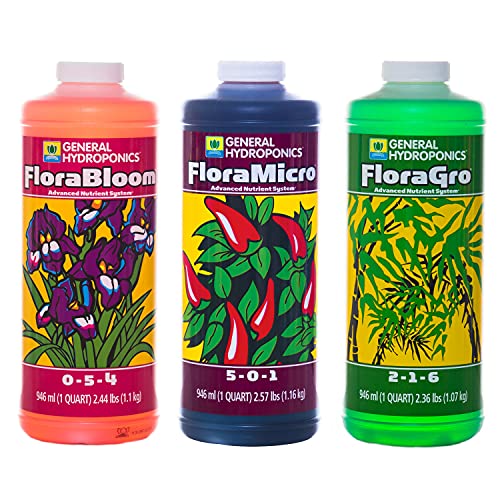
Complete 3-part nutrient system for all growth stages. Industry-standard formula used by beginners and professionals worldwide. 500ml each.

Accurate digital pH meter for precise nutrient solution monitoring. Includes calibration solutions and carrying case. Auto-temperature compensation.

Measures electrical conductivity (EC) and total dissolved solids (TDS) in nutrient solutions. Essential for precise nutrient management.
Products Mentioned in This Guide
Find Your Perfect Setup
Answer a few quick questions and get personalised recommendations.
Start the QuizFrequently Asked Questions
Related Guides
Ready to find your perfect setup?
Our quiz matches you with the right system, lights, and supplies.
Take the Quiz - It's FreeNo email required