Grow Tent Setup Guide 2026 | Complete Installation

Home grower and obsessive researcher. Years in commercial product sourcing means I evaluate growing equipment the way a buyer does — specs, build quality, and real-world performance, not marketing claims.
Just so you know, some links on this page are affiliate links. If you buy something via them, we get a small kickback. You don't pay more, but it helps toward seeds and kit.
A grow tent is a self-contained growing environment — reflective walls that bounce every photon back to your plants, zippered ventilation ports, hanging bars for lights, and a footprint that fits in a spare corner. The appeal isn't complexity, it's control. Once you understand the three things a tent manages (light, airflow, and temperature), the setup decisions get simple.
Quick Picks: Grow Tent Equipment
| Item | Budget Option | Mid-Range | Notes |
|---|---|---|---|
| 2'x2' tent | Around $50 | Check prices | Start here |
| 3'x3' tent | Around $70 | Around $100 | Sweet spot |
| 4'x4' tent | Around $100 | Check prices | Serious growing |
| 100W LED | VIVOSUN AeroLight A100 | ~$90 | 2'x2' coverage |
| 200W LED | Spider Farmer SF2000 | ~$220 | 4'x2' coverage |
| 4" inline fan | Check prices | ~$100 | Minimum for 2'x2' |
The honest truth: A complete 2'x2' tent setup runs around $250-400. 3'x3' runs around $400-600. The extra space in larger tents is almost always worth the money if you have room.
Choosing Size
2'x2' (60x60cm): Entry point. Good for herbs and small greens. Handles 4-6 small plants. Light needed: 100W LED.
3'x3' (80x80cm): The sweet spot for hobby growers. Room for meaningful production. Handles 6-9 plants. Light needed: 150-200W LED.
4'x4' (120x120cm): Serious production. Room for larger plants like tomatoes. Handles 9-16 plants. Light needed: 300-400W LED.
General rule: Buy slightly larger than you think you need. Plants fill space quickly.
Complete Setup Costs
Budget 2'x2' setup: Tent $50-70, light $60-90, fan and filter $60-100, hydro system $40-60, accessories $25-40. Total: Around $250-360
Mid-range 3'x3' setup: Tent $70-100, light $120-180, fan and filter $100-140, hydro system $60-120, climate monitoring $25-50. Total: Around $400-600
Serious 4'x4' setup: Tent $100-170, light $220-400, fan and filter $120-180, hydro system $120-250, automation $60-120. Total: Around $650-1100
Need to choose lights? Our [grow lights roundup](/guides/best-grow-lights-us) covers every option. And check the electricity costs guide so you know exactly what your tent will cost to run each month.
Take our quiz for recommendations tailored to your space and growing goals.
A tent fundamentally changes what's possible with indoor growing. Windowsill setups depend on season, latitude, and which direction your windows face. A tent with a decent LED gives you the same conditions in January as in July — consistent light spectrum, temperature you can manage, humidity you can control. That consistency is what turns indoor growing from a seasonal hobby into a year-round system.
Complete Tent Setup Walkthrough
Setting up a grow tent in the right sequence prevents common mistakes:
Before purchasing anything: 1. Measure your space — floor area AND ceiling height. You need clearance above the tent for hanging the light externally through the tent's top ports. 2. Decide your primary crop. Herbs and lettuce need less light intensity and height than tomatoes. This determines tent height and light wattage. 3. Budget everything: tent + light + inline fan + carbon filter + ducting + environmental controls + propagation trays. The tent itself is typically 20-30% of total setup cost.
Recommended setups by goal:
Herb and salad garden (most popular): - 2'x4' tent (~$60-80) - 200W LED (~$90-130) - 4" inline fan + carbon filter (~$70-90) - No environmental controls needed at this scale
Mixed vegetables including fruiting plants: - 4'x4' tent (~$100-150) - 400-600W LED (~$150-300) - 6" inline fan + carbon filter (~$100-150) - Digital hygrometer/thermometer ($15-25)
US-Specific Brands Worth Knowing
Tents: - AC Infinity (CLOUDLAB series): Premium build quality, improved zipper design, best reputation in the US market - Vivosun: Mid-market, widely available, adequate quality - Mars Hydro: Good value for money
Inline Fans: - AC Infinity CLOUDLINE: The standard for home growers. Very quiet, speed controller, app connectivity on higher models - Vivosun fans: More affordable, adequate performance
Carbon Filters: - Vivosun and AC Infinity both produce reliable filters. Replace after 12-18 months of continuous use.
Ventilation Sizing for US Climate Zones
Ventilation needs vary by climate:
Hot climates (South, Southwest, Southeast): Aggressive ventilation is critical in summer. Size your fan one step up from the minimum calculation — a 4" tent benefits from a 6" fan during peak summer in Texas or Florida.
Temperate climates: Standard sizing applies. Match fan CFM to tent volume with 1-3 minute air exchange rate.
Cold climates: In basements during winter, ventilation pulls in cold air and drops tent temperature. Use a temperature controller to run the fan at reduced speed when temperatures are below target, or add a small heater inside the tent.
VPD: What It Actually Means
Vapour Pressure Deficit is the relationship between temperature and humidity that drives plant transpiration. Plants in optimal VPD ranges transpire efficiently, taking up water and nutrients at the fastest rate.
Practical targets: - Seedlings: Temperature 72-77°F (22-25°C), RH 65-80% - Vegetative growth: Temperature 70-82°F (21-28°C), RH 50-70% - Flowering: Temperature 68-78°F (20-26°C), RH 40-55% (lower humidity reduces mold risk)
A $15 digital hygrometer/thermometer is all you need to monitor both. If both numbers are in range, VPD is fine.
Electricity and Running Costs
At the US average of approximately $0.12/kWh (varies from $0.08 in Louisiana to $0.33 in Hawaii):
| Setup | Total Power | Daily (18hr light) | Monthly |
|---|---|---|---|
| 2'x4' with 200W LED | ~280W | 5.04 kWh | ~$18 |
| 4'x4' with 400W LED | ~520W | 9.36 kWh | ~$34 |
| 4'x8' with 800W LED | ~1,000W | 18 kWh | ~$65 |
These include fan, light, and typical accessories. Check your state's electricity rate — California users at $0.25/kWh see 2x these costs.
Frequently Asked Questions
What's the minimum tent size worth buying?
2'x2' if you're only growing herbs. 2'x4' is the most popular beginner size — it handles herbs and 2-4 tomato plants and has a large enough footprint that management is comfortable.
Do I need a carbon filter if you're just growing vegetables?
For herbs (especially basil and mint), the smell is pleasant and a filter is optional. For anything else, whether you need a filter depends on your space and sensitivity — a tent full of tomatoes in flower has a noticeable scent. If your growing space is inside your home, a filter is usually worth it.
How do I prevent mold?
Maintain good airflow through the canopy. Keep humidity below 55% during flowering stages. Don't let plants touch the tent walls. Check for standing water in trays. Good ventilation that exchanges air regularly prevents most mold issues.
Can I assemble a tent solo?
Yes, though having a second person helps with hanging heavy equipment. Most tents assemble in 30-60 minutes. Frame poles and connectors are straightforward; attaching the fabric is the most awkward part solo.
A properly set up grow tent transforms year-round growing from aspirational to practical. Climate control, light management, pest exclusion — a tent handles all three in a package that fits a corner of a basement, bedroom closet, or garage. The investment pays back quickly if you're growing crops you'd otherwise buy.
Climate Control Deep Dive
Getting temperature and humidity right separates consistently successful grows from frustrating ones. Here's what to know beyond the basics.
Temperature management:
The target range for most crops in a grow tent is 70-85°F (21-29°C) during lights-on. During lights-off, temperatures can safely drop 10°F without plant stress — most plants appreciate a cooler "night" period.
Problems emerge at extremes. Above 90°F: heat stress, wilting, reduced yields, increased pest and disease pressure. Below 60°F: growth stalls, some plants show nutrient deficiencies as root function slows.
Heating in winter (northern US):
Basement and garage grows in cold climates often need supplemental heat. Options: - Small ceramic space heater with thermostat ($20-40): reliable, controllable - Seedling heat mat under the reservoir: useful for maintaining water temperature above 60°F - Ensure heater doesn't blow directly on plants — indirect warming works better
Cooling in summer (southern US):
Summer heat is the main challenge for tent growers in Texas, Florida, and similar climates. - Move your intake air source to the coolest area available (from air-conditioned room, not from outside in summer) - Run lights during nighttime hours when ambient temps are lower - Consider upgrading to more efficient LEDs that generate less heat - Mini split A/C units in a dedicated grow room if growing seriously year-round
Humidity control:
During vegetative growth, 50-70% RH is comfortable for most crops. During flowering, reduce to 40-55% to prevent mold on dense buds and fruits.
Small humidifiers and dehumidifiers run $25-50 and are worth the investment for consistent results. In dry climates (Colorado, Nevada, Arizona), a small humidifier prevents the leaf curl and stress that low humidity causes.
Training Techniques That Maximize Yield
Most tent growers waste vertical space. Simple plant training dramatically increases yield from the same footprint and light.
Low Stress Training (LST): Bend stems horizontally and tie them to the side of the container. This keeps the canopy flat and lets light reach lower bud sites. Easy, non-damaging, and very effective for maximizing coverage from a single plant.
SCROG (Screen of Green): Set up a net or screen at a fixed height. Train plants to grow horizontally through the screen until it's covered, then flip to flowering. All bud sites receive even light. Excellent for a few large plants.
Topping: Cut the main stem just above a node set. The plant develops two main stems instead of one. Doubles the number of main growth tips. More work but higher yields.
For herb and salad growing, these techniques matter less. For tomatoes, peppers, and cucumbers in a tent, LST at minimum doubles effective yield from the same light and space.
Frequently Asked Questions
How do I control smell without a carbon filter?
You can't, not effectively. Carbon filters are the only reliable solution for smell control. If smell is a concern (in an apartment, shared building, etc.), a carbon filter is non-optional. Size it to match your fan.
My temperatures are too high. What should I do first?
First: move intake air to the coolest possible source (air-conditioned room instead of hot attic or outdoor air). Second: ensure fan is sized adequately for the tent volume. Third: run lights at night when ambient temperatures are lower. Fourth: consider upgrading lights — more efficient LEDs produce less heat per photon.
Do I need CO2 supplementation?
At hobby scale: no. Standard air at ~400ppm CO2 supports normal plant growth. Adequate ventilation that refreshes air continuously is sufficient. CO2 supplementation is relevant in sealed, professional operations with very high light intensity — not for home tent growing.
When is the right time to transition from vegetative to flowering stage?
For photoperiod plants: change light schedule from 18/6 to 12/12. Plants typically show pre-flowers within 1-2 weeks. For auto-flowering varieties: transition happens automatically based on plant age, not light schedule.
A well-managed grow tent is one of the most reliable pieces of equipment in a gardener's arsenal. Year-round production, controlled conditions, pest exclusion — a properly set up tent eliminates most of the variables that make outdoor growing unpredictable.
Complete Tent Setup Walkthrough
Setting up a grow tent in the right sequence prevents common mistakes:
Before purchasing anything: 1. Measure your space — floor area AND ceiling height. You need clearance above the tent for hanging the light externally through the tent's top ports. 2. Decide your primary crop. Herbs and lettuce need less light intensity and height than tomatoes. This determines tent height and light wattage. 3. Budget everything: tent + light + inline fan + carbon filter + ducting + environmental controls + propagation trays. The tent itself is typically 20-30% of total setup cost.
Recommended setups by goal:
Herb and salad garden (most popular): - 2'x4' tent (~$60-80) - 200W LED (~$90-130) - 4" inline fan + carbon filter (~$70-90) - No environmental controls needed at this scale
Mixed vegetables including fruiting plants: - 4'x4' tent (~$100-150) - 400-600W LED (~$150-300) - 6" inline fan + carbon filter (~$100-150) - Digital hygrometer/thermometer ($15-25)
US-Specific Brands Worth Knowing
Tents: - AC Infinity (CLOUDLAB series): Premium build quality, improved zipper design, best reputation in the US market - Vivosun: Mid-market, widely available, adequate quality - Mars Hydro: Good value for money
Inline Fans: - AC Infinity CLOUDLINE: The standard for home growers. Very quiet, speed controller, app connectivity on higher models - Vivosun fans: More affordable, adequate performance
Carbon Filters: - Vivosun and AC Infinity both produce reliable filters. Replace after 12-18 months of continuous use.
Ventilation Sizing for US Climate Zones
Ventilation needs vary by climate:
Hot climates (South, Southwest, Southeast): Aggressive ventilation is critical in summer. Size your fan one step up from the minimum calculation — a 4" tent benefits from a 6" fan during peak summer in Texas or Florida.
Temperate climates: Standard sizing applies. Match fan CFM to tent volume with 1-3 minute air exchange rate.
Cold climates: In basements during winter, ventilation pulls in cold air and drops tent temperature. Use a temperature controller to run the fan at reduced speed when temperatures are below target, or add a small heater inside the tent.
VPD: What It Actually Means
Vapour Pressure Deficit is the relationship between temperature and humidity that drives plant transpiration. Plants in optimal VPD ranges transpire efficiently, taking up water and nutrients at the fastest rate.
Practical targets: - Seedlings: Temperature 72-77°F (22-25°C), RH 65-80% - Vegetative growth: Temperature 70-82°F (21-28°C), RH 50-70% - Flowering: Temperature 68-78°F (20-26°C), RH 40-55% (lower humidity reduces mold risk)
A $15 digital hygrometer/thermometer is all you need to monitor both. If both numbers are in range, VPD is fine.
Electricity and Running Costs
At the US average of approximately $0.12/kWh (varies from $0.08 in Louisiana to $0.33 in Hawaii):
| Setup | Total Power | Daily (18hr light) | Monthly |
|---|---|---|---|
| 2'x4' with 200W LED | ~280W | 5.04 kWh | ~$18 |
| 4'x4' with 400W LED | ~520W | 9.36 kWh | ~$34 |
| 4'x8' with 800W LED | ~1,000W | 18 kWh | ~$65 |
These include fan, light, and typical accessories. Check your state's electricity rate — California users at $0.25/kWh see 2x these costs.
Frequently Asked Questions
What's the minimum tent size worth buying?
2'x2' if you're only growing herbs. 2'x4' is the most popular beginner size — it handles herbs and 2-4 tomato plants and has a large enough footprint that management is comfortable.
Do you need a carbon filter when just growing vegetables?
For herbs (especially basil and mint), the smell is pleasant and a filter is optional. For anything else, whether you need a filter depends on your space and sensitivity — a tent full of tomatoes in flower has a noticeable scent. If your growing space is inside your home, a filter is usually worth it.
How do I prevent mold?
Maintain good airflow through the canopy. Keep humidity below 55% during flowering stages. Don't let plants touch the tent walls. Check for standing water in trays. Good ventilation that exchanges air regularly prevents most mold issues.
Can I assemble a tent solo?
Yes, though having a second person helps with hanging heavy equipment. Most tents assemble in 30-60 minutes. Frame poles and connectors are straightforward; attaching the fabric is the most awkward part solo.
A properly set up grow tent transforms year-round growing from aspirational to practical. Climate control, light management, pest exclusion — a tent handles all three in a package that fits a corner of a basement, bedroom closet, or garage. The investment pays back quickly if you're growing crops you'd otherwise buy.
Climate Control Deep Dive
Getting temperature and humidity right separates consistently successful grows from frustrating ones. Here's what to know beyond the basics.
Temperature management:
The target range for most crops in a grow tent is 70-85°F (21-29°C) during lights-on. During lights-off, temperatures can safely drop 10°F without plant stress — most plants appreciate a cooler "night" period.
Problems emerge at extremes. Above 90°F: heat stress, wilting, reduced yields, increased pest and disease pressure. Below 60°F: growth stalls, some plants show nutrient deficiencies as root function slows.
Heating in winter (northern US):
Basement and garage grows in cold climates often need supplemental heat. Options: - Small ceramic space heater with thermostat ($20-40): reliable, controllable - Seedling heat mat under the reservoir: useful for maintaining water temperature above 60°F - Ensure heater doesn't blow directly on plants — indirect warming works better
Cooling in summer (southern US):
Summer heat is the main challenge for tent growers in Texas, Florida, and similar climates. - Move your intake air source to the coolest area available (from air-conditioned room, not from outside in summer) - Run lights during nighttime hours when ambient temps are lower - Consider upgrading to more efficient LEDs that generate less heat - Mini split A/C units in a dedicated grow room if growing seriously year-round
Humidity control:
During vegetative growth, 50-70% RH is comfortable for most crops. During flowering, reduce to 40-55% to prevent mold on dense buds and fruits.
Small humidifiers and dehumidifiers run $25-50 and are worth the investment for consistent results. In dry climates (Colorado, Nevada, Arizona), a small humidifier prevents the leaf curl and stress that low humidity causes.
Training Techniques That Maximize Yield
Most tent growers waste vertical space. Simple plant training dramatically increases yield from the same footprint and light.
Low Stress Training (LST): Bend stems horizontally and tie them to the side of the container. This keeps the canopy flat and lets light reach lower bud sites. Easy, non-damaging, and very effective for maximizing coverage from a single plant.
SCROG (Screen of Green): Set up a net or screen at a fixed height. Train plants to grow horizontally through the screen until it's covered, then flip to flowering. All bud sites receive even light. Excellent for a few large plants.
Topping: Cut the main stem just above a node set. The plant develops two main stems instead of one. Doubles the number of main growth tips. More work but higher yields.
For herb and salad growing, these techniques matter less. For tomatoes, peppers, and cucumbers in a tent, LST at minimum doubles effective yield from the same light and space.
Frequently Asked Questions
How do I control smell without a carbon filter?
You can't, not effectively. Carbon filters are the only reliable solution for smell control. If smell is a concern (in an apartment, shared building, etc.), a carbon filter is non-optional. Size it to match your fan.
My temperatures are too high. What should I do first?
First: move intake air to the coolest possible source (air-conditioned room instead of hot attic or outdoor air). Second: ensure fan is sized adequately for the tent volume. Third: run lights at night when ambient temperatures are lower. Fourth: consider upgrading lights — more efficient LEDs produce less heat per photon.
Do I need CO2 supplementation?
At hobby scale: no. Standard air at ~400ppm CO2 supports normal plant growth. Adequate ventilation that refreshes air continuously is sufficient. CO2 supplementation is relevant in sealed, professional operations with very high light intensity — not for home tent growing.
When is the right time to transition from vegetative to flowering stage?
For photoperiod plants: change light schedule from 18/6 to 12/12. Plants typically show pre-flowers within 1-2 weeks. For auto-flowering varieties: transition happens automatically based on plant age, not light schedule.
A well-managed grow tent is one of the most reliable pieces of equipment in a gardener's arsenal. Year-round production, controlled conditions, pest exclusion — a properly set up tent eliminates most of the variables that make outdoor growing unpredictable.
What You'll Need With It

Quiet inline fan for grow tent ventilation. 100mm diameter with speed controller. Essential for temperature and humidity management.

Premium carbon filter for odor control. 100mm diameter, connects to inline fan. Essential for indoor growing in shared spaces.
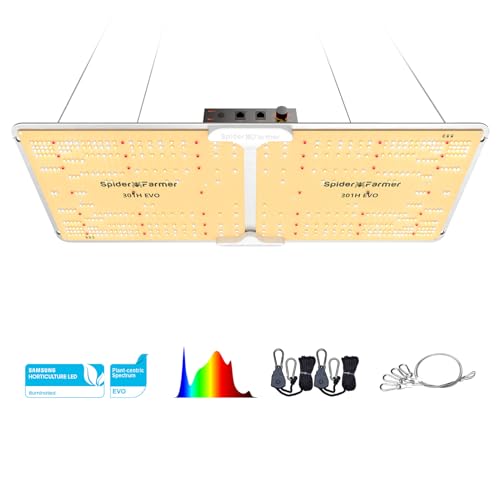
Next-gen LED grow light with Samsung LM301H EVO diodes. 200W actual power, dimmable controller, no-fan silent operation. Full spectrum (3000K, 5000K, 660nm, IR 760nm). Ideal for 4x2 ft grow tent.
Products Mentioned in This Guide
Find Your Perfect Setup
Answer a few quick questions and get personalised recommendations.
Start the QuizFrequently Asked Questions
Related Guides
Ready to find your perfect setup?
Our quiz matches you with the right system, lights, and supplies.
Take the Quiz - It's FreeNo email required