
Best Hydroponic Nutrients UK 2026

Home grower and obsessive researcher. Years in commercial product sourcing means I evaluate growing equipment the way a buyer does — specs, build quality, and real-world performance, not marketing claims.
Just so you know, some links on this page are affiliate links. If you buy something via them, we get a small kickback. You don't pay more, but it helps toward seeds and kit.
My pick for most UK growers is the General Hydroponics Flora Trio. It’s the global benchmark, and there’s more beginner help online for this system than any other. If you want zero complexity, Formulex in a single bottle is the honest starting point.
In soil, you plant seeds and hope the chemistry works out. In hydroponics, you are the chemistry. Every element your plants need passes through your hands before it reaches their roots: nitrogen for leaf growth, phosphorus for fruiting, calcium for cell walls, iron in trace amounts. The precision is what makes hydroponic growing so satisfying when you get it right, and so diagnostic when something goes wrong.
Quick Picks: Best Hydroponic Nutrients UK 2026
Not sure which setup is right for you?
Take Our QuizThe honest truth: Nutrients matter, but not as much as pH management. A £15 nutrient bottle with proper pH control beats a £50 nutrient with ignored pH every time. Get your testing kit before worrying about premium nutrients.
Why These Picks
I've spent considerable time reading r/hydro, r/hydroponics, and the UK Hydroponics Facebook communities, cross-referencing what growers report working long-term versus what looks impressive on spec sheets. The picks here are the ones that consistently appear in "still using it three years later" posts, not the ones with the most marketing spend.
General Hydroponics Flora Trio is the global benchmark for a reason. It's been the standard on professional growing operations, university research projects, and NASA space station experiments for decades. That depth of real-world data makes it the safest starting point. Every problem you'll encounter has been documented and solved by someone using this system.
CANNA is the serious grower's choice. Dutch-developed, specifically engineered for recirculating systems, and clean enough that system maintenance stays manageable. The brand commands a premium and earns it.
Plant Magic Oldtimer is the UK underdog that experienced growers often quietly rely on. Made in the UK, organic-based, and forgiving enough that beginners using it for the first time rarely have the burning or deficiency problems that show up with cheaper synthetic nutrients.
Formulex makes the list because sometimes you just want one bottle, no mixing charts, no stage-specific ratios. For Kratky herb setups and anyone's first grow, the simplicity is the feature.
Why Nutrients Matter
In soil, plants access nutrients gradually as organic matter breaks down. Bacteria and fungi process minerals into plant-available forms. This buffering means mistakes are forgiven, but it limits control.
In hydroponics, nutrients dissolve directly in water - immediately available to roots. This speeds growth significantly but requires precision. Plants respond within hours to changes in nutrient concentration.
Reports from r/hydro and growing communities consistently describe lettuce recovering visibly within a day of correcting an underfeeding problem. The direct feedback is part of what makes hydroponics interesting: you see results fast, good or bad.
Understanding Nutrient Systems
One-Part Solutions
Simple and forgiving. A single bottle contains everything plants need. Mix the specified amount per litre of water and you're done.
Formulex is the classic UK example - a balanced formula that works for seedlings through to mature plants. At around £12 for a litre, it's also cheap.
Best for: Complete beginners, leafy greens, herbs, and anyone who wants minimal complexity.
Limitations: No flexibility between growth stages. Can't optimise for specific crops. Fine for herbs, less ideal for fruiting plants.
Two-Part Solutions (A and B)
The hydroponic standard. Separate bottles prevent certain nutrients from reacting before use. Calcium and sulphates, for instance, form insoluble compounds when concentrated together.
Mix equal parts A and B into your reservoir. The separation ensures stability during storage while providing complete nutrition once diluted.
CANNA Aqua Vega exemplifies quality two-part systems. Dutch-formulated specifically for recirculating hydroponics, it delivers professional results with simple mixing.
Best for: Most hobbyists, DWC and NFT systems, anyone wanting reliability without complexity.
Three-Part Solutions
Maximum control. Separate Grow, Bloom, and Micro bottles let you adjust ratios for different crops and growth stages.
Vegetative phase? More nitrogen from the Grow bottle. Flowering phase? Increase Bloom. The General Hydroponics Flora series pioneered this approach - it's become the global standard with decades of proven results. NASA uses it for space station growing, which tells you something about reliability.
Best for: Experienced growers, diverse crops, fruiting vegetables, anyone who wants to optimise.
Limitations: More complex mixing means more room for error. Overkill for a basil plant.
NPK and What Plants Actually Need
Primary Macronutrients (NPK)
| Nutrient | Symbol | Function | Deficiency Signs |
|---|---|---|---|
| Nitrogen | N | Leaf growth, chlorophyll | Yellow older leaves |
| Phosphorus | P | Roots, flowering, fruiting | Purple tinting, slow growth |
| Potassium | K | Overall health, disease resistance | Brown leaf edges |
NPK ratios appear on every nutrient bottle (like 5-5-5 or 3-1-2). Different growth stages need different ratios. Vegetative growth needs higher nitrogen. Flowering and fruiting need more phosphorus and potassium.
**Secondary Nutrients**
Calcium (Ca), Magnesium (Mg), and Sulphur (S) are needed in smaller but significant amounts. Most quality nutrients include these.
UK tap water often contains some calcium and magnesium naturally. Hard water areas may not need cal-mag supplements that soft water areas require. Know your water.
Micronutrients
Iron, manganese, zinc, copper, boron, molybdenum, and chlorine are needed in trace amounts. Quality hydroponic nutrients include appropriate levels. Deficiencies are rare with good nutrients but common with cheap or incomplete formulas.
Feeding Strength: The Crucial Detail
Start weak. Increase gradually.
Most bottles recommend concentrations for mature, actively growing plants. Seedlings and young plants need 25-50% of full strength. Pushing full concentration on young plants causes nutrient burn - brown, crispy leaf tips that don't recover.
EC/TDS Reference Guide:
| Growth Stage | EC (mS/cm) | TDS (ppm) |
|---|---|---|
| Seedlings | 0.4-0.8 | 200-400 |
| Young vegetative | 0.8-1.2 | 400-600 |
| Mature vegetative | 1.2-1.6 | 600-800 |
| Fruiting/flowering | 1.6-2.2 | 800-1100 |
An EC/TDS meter (around £15-30) removes guesswork from nutrient management. One of the best investments after your initial setup.
Cal-Mag and UK Water
Calcium and magnesium deserve separate attention for UK growers, because your tap water supply affects whether you need to supplement them.
Hard water areas (much of England, particularly the Midlands, East, and South East): Tap water naturally contains significant calcium and magnesium. Your two-part nutrients, combined with tap water, may already deliver adequate calcium and magnesium without supplements. Adding a dedicated cal-mag product risks oversupply, which causes its own problems. Calcium toxicity shows as brown leaf tips similar to nutrient burn.
Soft water areas (much of Scotland, Wales, parts of the North West): Lower mineral content means calcium and magnesium may need supplementing, particularly for fruiting plants like tomatoes and peppers. Calcium deficiency in fruiting plants causes blossom end rot (the dark, sunken patch at the bottom of tomatoes). Magnesium deficiency shows as yellowing between leaf veins on older leaves (interveinal chlorosis).
How to know which applies to you: Check your water supplier's hardness data online, or simply test your tap water with an EC/TDS meter. Above 200ppm TDS, you likely have adequate minerals. Below 100ppm, consider cal-mag supplementation for fruiting plants.
Canna CalMag Agent is the standard UK option. Add at around 1ml per litre for soft water areas. Not required for most leafy greens regardless of water hardness.
Liquid vs Powder Nutrients
**Liquid Nutrients** Convenient and foolproof. Measure with a syringe, pour, mix, done. Pre-dissolved nutrients eliminate uncertainty.
Cost: Higher per litre of final solution Convenience: Excellent Error potential: Low
**Powder Nutrients** Significantly cheaper per litre of nutrient solution. Require careful measuring and complete dissolution. Some powders need warm water to dissolve properly.
Cost: Lower, often 50-70% cheaper long-term Convenience: Requires more preparation Error potential: Moderate (measuring errors, incomplete dissolution)
Start with liquids. The convenience premium is worth the reduced frustration while learning. Graduate to powders once you're confident with mixing and measuring. When you're working out how much to add for your tank size, our nutrient calculator gives you measurements for the main brands at each growth stage.
**Specific powder nutrients worth knowing about:**
General Hydroponics MaxiGro and MaxiBloom are the powder equivalents of their Flora liquid series: same quality, significantly cheaper per litre of nutrient solution. Both dissolve completely in water with stirring. MaxiGro for vegetative growth, MaxiBloom for flowering and fruiting. Many experienced UK growers switch to these from liquids once they're comfortable with the system, cutting nutrient costs by 50-60% without any quality reduction.
What to Avoid
General plant fertilisers: Standard Miracle-Gro and similar products lack essential micronutrients and aren't formulated for hydroponic systems. They'll sort of work, but plants won't thrive.
Overfeeding: More isn't better. Nutrient burn is common with beginners. Start at half the recommended strength and increase gradually.
Mixing concentrates together: Never pour concentrated A and B into the same measuring container. They'll react and form precipitates that plants can't use. Add each to your reservoir separately, mixing well between additions.
**Ignoring pH after adding nutrients:** Always adjust pH after adding nutrients, not before. Nutrients change pH levels.
Cheap, incomplete formulas: Budget nutrients often lack micronutrients. Deficiencies develop slowly but cause real problems. Stick to established brands.
My Recommendations
**Best for Beginners: General Hydroponics Flora Series**
Three-part flexibility with the deepest library of beginner resources of any nutrient system. Every growing forum on earth has threads from Flora Trio users, meaning every problem you encounter has already been diagnosed and solved by someone else. Decades of proven results across all crop types from herbs to tomatoes to cannabis.
Start at half the recommended strength, follow their feeding charts (available free on their website), and increase gradually as plants respond. You'll succeed with this system. The main thing beginners do wrong is following label concentrations at full strength on young seedlings. Back it off to 25% for the first two weeks. *(Price when reviewed: around £35 for the starter trio | Check Price on Amazon)*
**Best for Recirculating Systems: CANNA Aqua Vega**
Specifically formulated for NFT and DWC recirculating systems where the same solution circulates continuously past roots. The clean formula is the key detail: it minimises the residue and biofilm that builds up in channels and pipework over time. If you've ever had to spend an hour scrubbing nutrient deposits out of your NFT channels, you'll understand why this matters.
Pair with CANNA Aqua Flores for the flowering and fruiting stages. The Vega/Flores split is designed around the growth phase change, and the results on fruiting crops like tomatoes and peppers are consistently strong in grower reports. Dutch quality, properly priced. *(Price when reviewed: around £30 for 2x1L | Check Price on Amazon)*
**Best Budget Option: Plant Magic Oldtimer**
Made in the UK, organic-based, and genuinely forgiving of the mistakes that beginners inevitably make. Organic buffers in the formula mean plants are less likely to show immediate stress if you slightly over or underfeed, giving you more time to catch and correct problems before they show visibly.
Ideal for herb gardens, lettuce, and anyone who wants to feed organically without the complexity of full organic hydroponic systems. The one limitation: it's not ideal for pushing high-yielding fruiting crops where precise stage-specific nutrition makes a real difference. For simple setups, it's excellent. *(Price when reviewed: around £25 for 2x1L | Check Price on Amazon)*
Best for Simplicity: Formulex
One bottle, one measurement, done. Perfect for Kratky herb setups, windowsill lettuce growers, and anyone who wants zero complexity on their first grow. Formulex won't optimise for specific growth stages and it won't push your tomatoes to their yield ceiling, but it will grow healthy herbs and leafy greens reliably without a feeding chart or EC meter.
The recommended path: use Formulex for your first crop, learn how the system behaves, then step up to Flora Trio or CANNA for your second grow with the confidence that comes from already having grown something successfully. (Price when reviewed: around £12 for 1L | Check Price on Amazon)
Critical insight: The difference between budget and premium nutrients matters less than proper pH management and consistent feeding schedules. Get pH right first: a £10 pH testing kit makes more difference to plant health than a £50 nutrient upgrade. The pH guide covers everything you need to know about testing and adjustment.
For more detail on what each nutrient does and how to diagnose deficiencies, see the [complete nutrients guide](/guides/hydroponic-nutrients-guide).
Take our quiz to get nutrient recommendations matched to your specific crops and system type.
Common Questions
How often should I change my nutrient solution?
For most systems, top up with fresh water between changes and do a full reservoir change every 7-14 days. Recirculating systems (DWC, NFT) benefit from more frequent changes than static systems. The EC meter tells you when concentration is drifting. If it rises unexpectedly, the plant is drinking water but leaving nutrients behind, which means dilute. If it drops, top up with nutrient solution.
Can I just use regular plant fertiliser?
No. Garden fertilisers like Miracle-Gro are formulated for soil, where bacteria process them into plant-available forms. In hydroponics, nutrients need to be already chelated and pH-stable in water. Standard fertilisers will either fail to dissolve properly or cause nutrient lockout.
For the fundamental question of hydroponics vs traditional growing, see the hydroponics vs soil guide.
**Why does pH matter more than nutrients?**
Because plants can only absorb specific nutrients within specific pH ranges. At pH 7.5, iron becomes unavailable even if your nutrient mix contains plenty of it. Yellow leaves that don't respond to more feeding are almost always a pH problem, not a nutrient deficiency. Fix pH first, always.
**Do I need separate vegetative and bloom nutrients?**
For herbs and leafy greens, no. A single balanced formula like Formulex or a two-part A/B system works through the entire growth cycle. For fruiting and flowering plants (tomatoes, peppers, chillies), changing your nutrient ratio between vegetative and flowering phases makes a meaningful difference. Higher nitrogen for vegetation, higher phosphorus and potassium for fruiting. This is where three-part systems like the Flora Series earn their extra complexity.
What happens if we use too much nutrient?
Nutrient burn shows as brown, crispy leaf tips, usually starting at the oldest leaves. Once it appears, it doesn't reverse on damaged tissue. Reduce your EC, do a partial flush with clean water if severe, and wait for new growth to show healthy. Most beginner overfeeding problems come from following label recommendations exactly at seedling stage. Labels are written for mature, actively growing plants. Start at 25-50% strength for young plants and seedlings.
How do I know when to change my reservoir solution?
Top up with plain water when levels drop, since plants drink water faster than nutrients at normal concentrations and the solution concentrates over time. Do a full reservoir change every 7-14 days for most systems. If EC rises unexpectedly, the plant is drinking water but leaving nutrients behind. Dilute back to target EC with plain water. If the solution looks discoloured, smells off, or you can see algae, change it immediately and clean the reservoir before refilling. The cost of fresh nutrients is always less than the cost of a sick crop. Most experienced growers change weekly on a fixed schedule rather than waiting for visible problems, which removes a variable and keeps the root zone healthy.
Should I adjust nutrient strength through the seasons?
Yes, particularly if your grow space temperature varies significantly between summer and winter. Plants in warmer conditions (above 22C) transpire more and drink faster, so they may need slightly higher EC because water consumption outpaces nutrient consumption. Plants in cooler conditions grow more slowly and are more sensitive to nutrient concentration. If you're growing year-round with variable indoor temperatures, watch your EC trend over a week: if it's rising, plants are drinking water but leaving nutrients behind (dilute slightly). If it's dropping, they're consuming nutrients rapidly (top up with solution rather than plain water).
**Can I mix different brands of nutrients?**
Generally yes, with one important exception: never mix concentrated nutrient solutions together before diluting them in your reservoir. Two-part A and B solutions are separated precisely because calcium and sulphates react when concentrated. Add A to your reservoir water and mix thoroughly, then add B separately. This applies regardless of brand. Mixing A and B into the same small container first creates precipitates that block uptake and waste nutrients.
Different brand base nutrients can be mixed in the reservoir at full dilution without problems in most cases: the chemistry is similar enough. Where brand-mixing causes issues is usually with additives and boosters, which may have interactions. If you're troubleshooting a problem, use only your base nutrients until things stabilise.
What I’d Buy Today
General Hydroponics Flora Trio, every time. It’s the safest choice for any UK grower because every problem you’ll encounter has already been solved by someone else using this exact system. Start at half-strength, follow their free feeding chart, and increase gradually. You will grow healthy plants.
If you want something even simpler for your very first crop, grab Formulex instead. One bottle, measure and pour, done. You can step up to Flora Trio once you’ve got one successful grow under your belt.
The Bottom Line
Start with General Hydroponics Flora Trio or Formulex. Either will grow healthy plants. The difference between them and any premium alternative matters less than pH management and consistent feeding schedules. Get those two right first, then optimise.
Most beginners spend money on premium nutrients before they've solved basic pH management, then wonder why their plants still look unhappy. The pH kit costs little and unlocks more growth than any premium nutrient upgrade. Yellow leaves that don't respond to more feeding are almost always a pH problem. Fix the pH, and the existing nutrients become available again within days. This single insight saves most beginners from weeks of frustration and expensive guessing.
The ideal learning sequence: Formulex for your first crop (zero complexity, just measure and mix). Flora Trio for your second crop, following their feeding chart at half strength initially. By then you'll understand why the ratios change between vegetative and flowering phases, and you'll know which direction you want to go next. That progression takes around three months and costs less than one bottle of premium specialist nutrient.
There's a particular satisfaction in diagnosing a nutrient problem and fixing it. Yellow leaves that green up within days of a pH correction. Stunted growth that takes off once you dial back the EC for younger plants. The feedback loop in hydroponics is fast and clear: you change something, and the plant tells you whether you got it right. That directness is what makes growing in water so absorbing once you start paying attention. The nutrients are the medium for that conversation between you and your plants. Keep them simple and dialled, and the plants will tell you everything you need to know.
What You'll Need With It

Accurate digital pH meter for precise nutrient solution monitoring. Includes calibration solutions and carrying case. Auto-temperature compensation.

Measures electrical conductivity (EC) and total dissolved solids (TDS) in nutrient solutions. Essential for precise nutrient management.
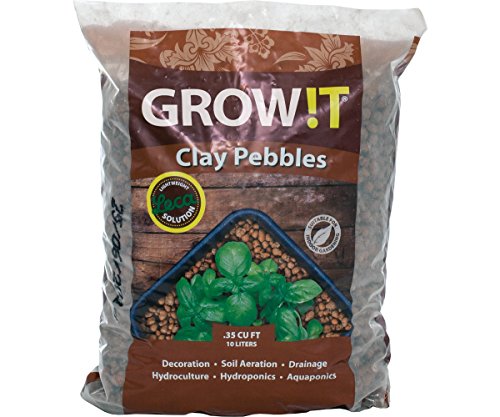
Lightweight expanded clay growing medium for hydroponic systems. Provides excellent drainage and aeration. Reusable and pH neutral.
Products Mentioned in This Guide
Find Your Perfect Setup
Answer a few quick questions and get personalised recommendations.
Start the QuizFrequently Asked Questions
Related Guides
Ready to find your perfect setup?
Our quiz matches you with the right system, lights, and supplies.
Take the Quiz - It's FreeNo email required