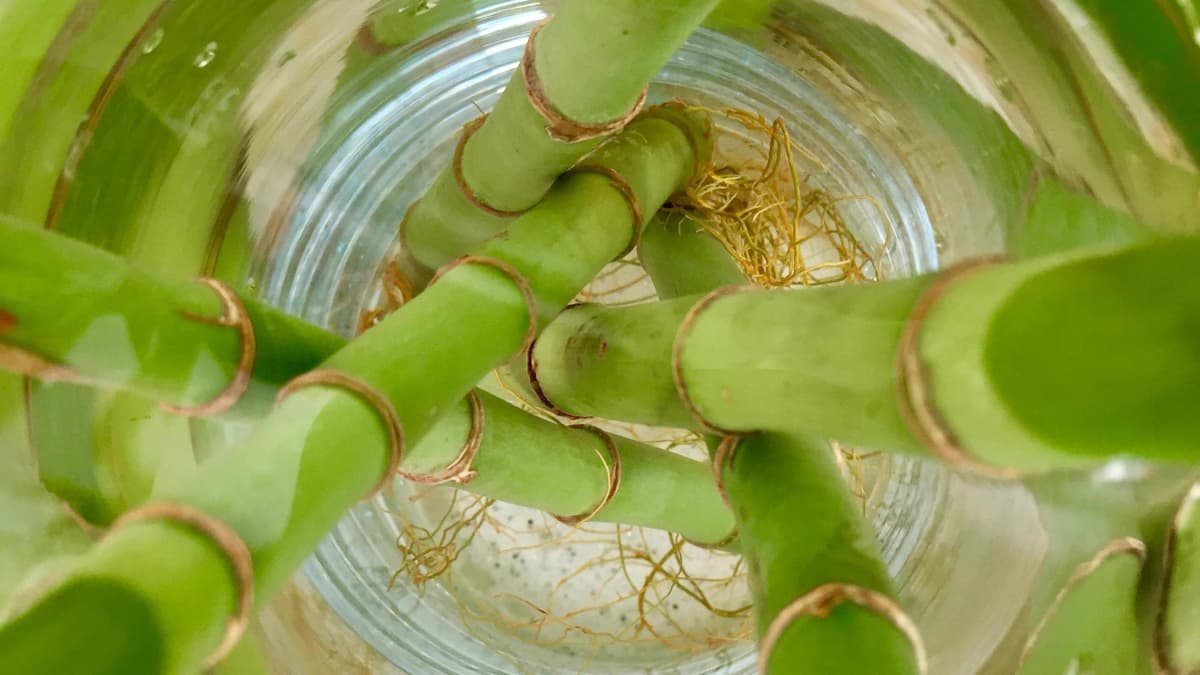
Kratky Method Complete Guide

Home grower and obsessive researcher. Years in commercial product sourcing means I evaluate growing equipment the way a buyer does — specs, build quality, and real-world performance, not marketing claims.
Just so you know, some links on this page are affiliate links. If you buy something via them, we get a small kickback. You don't pay more, but it helps toward seeds and kit.
The Kratky method is hydroponics stripped to its absolute essentials. No pumps. No electricity. No complexity. Just plants growing in nutrient water. It's named after B.A. Kratky, the University of Hawaii researcher who formalised the technique.
Quick Picks: Kratky Supplies
Not sure which setup is right for you?
Take Our QuizThe honest truth: Kratky is the cheapest way to learn hydroponics. A complete setup costs under £30. Success teaches you principles that apply to every other system.
How It Actually Works
Fill a container with nutrient solution. Suspend a plant in a net pot so roots reach the water. Leave an air gap between the water surface and the net pot - this is the crucial detail everyone mentions but few explain properly.
As the plant drinks and grows, the water level drops. Roots that were submerged become exposed to air, providing oxygen. New roots grow downward to follow the receding water. The plant essentially regulates itself.
This is why you don't top up the water mid-grow. Maintaining the air gap is more important than maintaining water level. The exposed roots are breathing.
The Air Gap Is Everything
Roots need oxygen to function. Fully submerged roots in still water will eventually rot - there's not enough dissolved oxygen for long-term health.
The air gap solves this. Upper roots access oxygen from the air. Lower roots access water and nutrients. The plant gets both.
Start with about 2-3cm of air gap below your net pot. As water drops, this gap grows. By harvest, you might have 10cm or more of air roots. This is correct and healthy.
Don't add water to eliminate the gap. Don't panic when levels drop. This is the system working as intended.
Container Selection
Mason jars: Perfect for single herbs. 1-litre jars work well for basil, mint, parsley. Wrap in foil or paint the outside to block light (algae loves lit nutrient solution).
Storage boxes: Good for multiple plants. 20-40 litre opaque boxes work brilliantly. Cut holes in the lid for net pots. Grow 4-8 plants easily.
5-litre buckets: Excellent for larger plants. One bucket per plant gives enough nutrient volume for tomatoes or peppers, though these push the method's limits.
General rule: Deeper containers hold more solution, which means longer between interventions. A shallow container for a large plant will run dry fast.
Setting Up Step by Step
1. Prepare your container: Clean thoroughly. If transparent, wrap in foil or cover to block light.
2. Cut or fit net pot holes: The net pot should sit snugly with most of its depth above the lid and 1-2cm below.
3. Mix nutrient solution: Fill container with water, add nutrients at half strength (use measuring syringe for accuracy), adjust pH to 5.5-6.5.
4. Add growing medium: Fill net pot with rinsed clay pebbles or similar inert medium.
5. Position seedling: Place seedling so roots touch or nearly touch the water surface. Roots should extend down through the medium.
6. Create air gap: Water level should be 1-2cm below the bottom of the net pot initially. As roots grow down, they'll reach the water.
7. Place under light: Sunny window or grow light. Herbs need 12-16 hours of light daily.
8. Wait: Seriously. The main intervention is waiting. Check water level occasionally but don't obsess.
Best Kratky Crops
Excellent (almost guaranteed success): - Lettuce (all varieties) - Basil - Mint - Coriander - Spinach - Rocket - Pak choi - Kale - Swiss chard
Possible (need larger containers): - Cherry tomatoes (5-10L container minimum) - Peppers (5-10L container minimum) - Strawberries - Beans
Difficult (not recommended for beginners): - Large tomatoes (nutrient demands are high) - Cucumbers (need support and lots of nutrients) - Root vegetables (they don't suit soilless growing)
What to Avoid
Topping up water mid-grow: This eliminates the air gap that formed. Those exposed roots are now drowning. Only add water if the container is nearly empty AND the plant is large enough to have extensive air roots that will survive brief submersion.
Clear containers without covering: Light reaching nutrient solution causes algae. Algae competes with plants for nutrients, clogs roots, and creates smell. Always block light.
**Too strong nutrients:** Seedlings and young plants burn easily. Start at 50% recommended strength. You can increase later if plants look pale or slow.
Tiny containers for large plants: A tomato in a mason jar will exhaust nutrients and water within days. Match container size to final plant size.
Ignoring pH: Even Kratky needs pH management. Test when you set up. Retest weekly if convenient. Adjust if it drifts outside 5.5-6.5.
The Limitations
Kratky works brilliantly for single-harvest crops (lettuce heads) and cut-and-come-again greens (basil, spinach). It's less ideal for long-term plants.
The nutrient solution doesn't replenish automatically. It doesn't circulate or aerate. Large, hungry plants can exhaust a container's resources.
For tomatoes producing fruit over months, you'll eventually need to intervene - either switching to an active system or carefully topping up nutrients. This moves beyond pure Kratky into hybrid territory.
Scaling Up
Once you've grown a few successful Kratky plants, scaling is cheap and easy:
Storage box garden: One 40L opaque box with 6 holes produces a continuous salad supply. Stagger planting dates so you're always harvesting something.
Window farm: Multiple mason jars on a bright windowsill. Herbs for cooking, ready whenever you need them.
Grow light shelf: Add a basic LED light and you can grow anywhere regardless of window access. A shelving unit becomes a vertical garden.
Common Kratky Problems
Algae in the reservoir Green slime means light is reaching your nutrient solution. Block it completely — foil, opaque paint, electrical tape. If your container is transparent, wrap it entirely. Once algae establishes, empty and clean before restarting. Algae competes with plants for nutrients and causes smell.
Roots turning brown or slimy Root rot. This usually means the air gap disappeared or the container was overfilled. Empty, rinse roots gently under clean water, and let the air gap re-establish. Add 1-2ml of 3% hydrogen peroxide per litre of fresh solution to address bacterial infection. Healthy roots should be white and firm.
Plant wilting despite adequate water Usually root rot rather than drought. A plant can't uptake water through diseased roots even when it's surrounded by it. Check root colour before adding more water.
Slow growth or pale leaves Either EC is too low (nutrient solution too weak) or light is insufficient. Check both. Increase nutrients slightly if EC reads below 0.8 for herbs. If growth is slow on multiple plants, light is usually the limiting factor.
Seeds not germinating in clay pebbles Seeds struggle to germinate in the dry upper layer of growing medium. Germinate separately in damp kitchen paper or rockwool plugs, then transplant once the root tip is 1-2cm long. Never rely on sowing direct into a Kratky container.
Our Take
Kratky is the best way to learn hydroponics. Period.
Success builds confidence. Understanding develops through observation. You'll see roots growing, watch water levels drop, learn what healthy plants look like before they're healthy. This hands-on knowledge transfers to every other system.
Start with lettuce in a storage box or basil in a mason jar. If it works, you've learned the fundamentals of hydroponics for under £30. If it fails, you've learned something specific about your setup for under £30.
Either way, that's excellent value.
If you're just getting started, our indoor herb garden guide is the perfect companion - herbs are ideal first Kratky crops. And when you're ready for pH management (you will be), the pH guide is essential reading.
For deeper reading, see our best hydroponics books — the titles that experienced growers recommend most.
Take our quiz if you want recommendations for your specific space and growing goals.
The Kratky method stays relevant even after you've moved to more sophisticated systems. Keep a few mason jars going for herbs you harvest constantly — basil, mint, chives. They require almost no attention and produce reliably. The jar costs nothing, the nutrients are shared with your main system, and the basil you pick for dinner tastes better than anything from a shop. That's the joy of passive hydroponics: it works while you're not thinking about it. Start there, and the rest of indoor growing opens up naturally from that first successful jar. You'll understand more about plant nutrition from a single Kratky grow than from a year of reading.
Troubleshooting Kratky
Plants wilting with correct water levels:
Check roots first. If they're brown and slimy, root rot has set in — likely from too-warm water or poor light exclusion. If roots are white, check the air gap. No air gap means anaerobic root zone despite adequate water.
Yellowing leaves:
Always check pH before anything else. Kratky systems with foil-wrapped containers can drift pH upward over time, causing nutrient lockout. The fix is usually simple: drain, test, adjust pH, refill.
Algae growth:
Light is reaching the nutrient solution. Check every millimetre of your container for light leaks. Even a small crack passes enough light for algae. Solution: make the container more opaque, or start over with a properly opaque container.
Slow growth after initial roots:
Check EC. As plants drink and water evaporates, nutrient concentration increases. If your plants seemed fine at week one but are struggling at week four, the solution may have become too concentrated.
Scaling Kratky
Herb wall: 8-12 mason jars on a shelf with a single grow lamp above. Fresh herbs for a household from minimal space.
Salad garden: 40L opaque storage boxes with 6-8 holes in the lid handle multiple lettuce plants simultaneously. Harvest outer leaves continuously; 3-4 boxes means a rotation of fresh salad all year.
Serious production: Larger containers allow larger plants. A 30L bucket handles one basil plant that'll produce enough for a restaurant. Roots in a bucket grow to spectacular size.
The Debate: Topping Up vs Letting Deplete
There's genuine disagreement in the Kratky community about whether to top up reservoirs during a grow.
Purist position: Never top up. The air gap grows as water depletes. Roots adapt. Top up and you disrupt root architecture — some aerial roots don't function submerged.
Pragmatic position: Top up with pH-adjusted plain water (no nutrients) to maintain reasonable water levels. Nutrients in the original solution concentrate as water evaporates, so adding plain water balances this.
For beginners: the pragmatic approach is more forgiving. You're less likely to accidentally stress plants by letting levels run too low.
Kratky for Different Crops
Lettuce and leafy greens: Perfect match. Shallow roots, low nutrient demand, fast harvest cycle. Use smaller containers — 1-2L per plant.
Herbs: Excellent. Basil, mint, coriander, chives all thrive. Most will produce for months from a single plant.
Tomatoes: Works surprisingly well with large containers — 15-20L per plant minimum. You'll need to manage the air gap carefully as plants get large and thirsty.
Cucumbers and courgettes: Possible but demanding. They're thirsty plants and deplete reservoirs quickly. Better suited to active recirculating systems.
Why Kratky Is Worth Starting With
Every hydroponic concept — pH management, EC monitoring, root zone health, air gap — applies to every other system. Kratky teaches you these fundamentals with near-zero investment.
When something goes wrong (and something will), there's almost nowhere to hide. pH wrong? The plant shows you within days. Temperature too high? Root rot appears. Light leak? Algae forms. The simplicity means you learn faster because feedback is direct.
Growers who start with Kratky before moving to DWC or NFT understand why their more complex systems behave the way they do. That understanding makes them better troubleshooters.
Frequently Asked Questions
Can I grow Kratky in winter in the UK?
Yes, with supplemental lighting. Without grow lights, windowsill Kratky in winter produces slow, leggy growth. A basic LED panel on a 16-hour timer solves this. Keep the room at minimum 15°C — most herbs sulk below this.
How long do Kratky grows last?
Herbs can produce for 3-6 months from a single planting with regular harvesting. Lettuce completes in 4-6 weeks. When plants start flowering and going to seed, that crop cycle is ending.
Do I need to oxygenate Kratky?
No — the air gap delivers passive oxygenation. This is the entire principle of the method. Adding an airstone converts Kratky into a basic DWC system, which is also fine but removes the simplicity advantage.
What's the best container for Kratky?
Opaque is essential. Any food-grade container works — upcycled yoghurt pots, coffee tins, purpose-built containers. The shape matters less than light exclusion and appropriate volume for the crop.
Start with one jar. One plant. Learn what works in your space with your water, and you'll have the knowledge to scale confidently from there.
Troubleshooting Kratky
Plants wilting with correct water levels:
Check roots first. If they're brown and slimy, root rot has set in — likely from too-warm water or poor light exclusion. If roots are white, check the air gap. No air gap means anaerobic root zone despite adequate water.
Yellowing leaves:
Always check pH before anything else. Kratky systems with foil-wrapped containers can drift pH upward over time, causing nutrient lockout. The fix is usually simple: drain, test, adjust pH, refill.
Algae growth:
Light is reaching the nutrient solution. Check every millimetre of your container for light leaks. Even a small crack passes enough light for algae. Solution: make the container more opaque, or start over with a properly opaque container.
Slow growth after initial roots:
Check EC. As plants drink and water evaporates, nutrient concentration increases. If your plants seemed fine at week one but are struggling at week four, the solution may have become too concentrated.
Scaling Kratky
Herb wall: 8-12 mason jars on a shelf with a single grow lamp above. Fresh herbs for a household from minimal space.
Salad garden: 40L opaque storage boxes with 6-8 holes in the lid handle multiple lettuce plants simultaneously. Harvest outer leaves continuously; 3-4 boxes means a rotation of fresh salad all year.
Serious production: Larger containers allow larger plants. A 30L bucket handles one basil plant that'll produce enough for a restaurant. Roots in a bucket grow to spectacular size.
The Debate: Topping Up vs Letting Deplete
There's genuine disagreement in the Kratky community about whether to top up reservoirs during a grow.
Purist position: Never top up. The air gap grows as water depletes. Roots adapt. Top up and you disrupt root architecture — some aerial roots don't function submerged.
Pragmatic position: Top up with pH-adjusted plain water (no nutrients) to maintain reasonable water levels. Nutrients in the original solution concentrate as water evaporates, so adding plain water balances this.
For beginners: the pragmatic approach is more forgiving. You're less likely to accidentally stress plants by letting levels run too low.
Kratky for Different Crops
Lettuce and leafy greens: Perfect match. Shallow roots, low nutrient demand, fast harvest cycle. Use smaller containers — 1-2L per plant.
Herbs: Excellent. Basil, mint, coriander, chives all thrive. Most will produce for months from a single plant.
Tomatoes: Works surprisingly well with large containers — 15-20L per plant minimum. You'll need to manage the air gap carefully as plants get large and thirsty.
Cucumbers and courgettes: Possible but demanding. They're thirsty plants and deplete reservoirs quickly. Better suited to active recirculating systems.
Why Kratky Is Worth Starting With
Every hydroponic concept — pH management, EC monitoring, root zone health, air gap — applies to every other system. Kratky teaches you these fundamentals with near-zero investment.
When something goes wrong (and something will), there's almost nowhere to hide. pH wrong? The plant shows you within days. Temperature too high? Root rot appears. Light leak? Algae forms. The simplicity means you learn faster because feedback is direct.
Growers who start with Kratky before moving to DWC or NFT understand why their more complex systems behave the way they do. That understanding makes them better troubleshooters.
Frequently Asked Questions
Can I grow Kratky in winter in the UK?
Yes, with supplemental lighting. Without grow lights, windowsill Kratky in winter produces slow, leggy growth. A basic LED panel on a 16-hour timer solves this. Keep the room at minimum 15°C — most herbs sulk below this.
How long do Kratky grows last?
Herbs can produce for 3-6 months from a single planting with regular harvesting. Lettuce completes in 4-6 weeks. When plants start flowering and going to seed, that crop cycle is ending.
Do I need to oxygenate Kratky?
No — the air gap delivers passive oxygenation. This is the entire principle of the method. Adding an airstone converts Kratky into a basic DWC system, which is also fine but removes the simplicity advantage.
What's the best container for Kratky?
Opaque is essential. Any food-grade container works — upcycled yoghurt pots, coffee tins, purpose-built containers. The shape matters less than light exclusion and appropriate volume for the crop.
Start with one jar. One plant. Learn what works in your space with your water, and you'll have the knowledge to scale confidently from there.
Products Mentioned in This Guide
Find Your Perfect Setup
Answer a few quick questions and get personalised recommendations.
Start the QuizFrequently Asked Questions
Related Guides
Ready to find your perfect setup?
Our quiz matches you with the right system, lights, and supplies.
Take the Quiz - It's FreeNo email required