AeroGarden Review 2026: Is It Worth It?

Home grower and obsessive researcher. Years in commercial product sourcing means I evaluate growing equipment the way a buyer does — specs, build quality, and real-world performance, not marketing claims.
Just so you know, some links on this page are affiliate links. If you buy something via them, we get a small kickback. You don't pay more, but it helps toward seeds and kit.
The AeroGarden is the iPhone of countertop hydroponics — premium price, polished experience, app integration, and a proprietary ecosystem designed to keep you buying pods. That's not a criticism. It's a description of a product that does exactly what it claims to do. The question worth asking is whether the guided experience and retail availability justify the cost, or whether you're paying for brand recognition that a cheaper system renders irrelevant.
Quick Verdict
| Model | Pods | Worth It? |
|---|---|---|
| Harvest | 6 | Best value entry point |
| Harvest Elite 360 | 6 | Only if you want the premium look |
| Bounty | 9 | Sweet spot for serious herb growers |
| Farm 24 | 24 | No longer available — buy a Bounty or build DWC |
The honest truth: The AeroGarden works. Herbs grow well, the app guidance is genuinely helpful for beginners, and the seed pod ecosystem is convenient. But you're paying a significant brand premium. The iDOO 12-Pod grows the same herbs for half the price with double the capacity. *(iDOO: ~$100 | Check Price on Amazon)*
What AeroGarden Gets Right
The app experience: AeroGarden's app tells you when to add water, when to add nutrients, and when to trim. For someone who's never grown anything, this hand-holding has real value. No other brand matches it.
Seed pod ecosystem: Pre-seeded pods with everything included. Pop them in, add water, press start. Herbs, salads, flowers, cherry tomatoes. The convenience is genuine even if the per-pod cost is high ($3-4 each).
Retail availability: You can walk into Target and buy one today. Returns are easy. Customer support is solid and US-based.
Build quality: The stainless steel Harvest Elite models look genuinely good on a kitchen counter. The adjustable light arms accommodate plant growth nicely.
Where AeroGarden Falls Short
Price premium: A Harvest Elite 360 grows 6 pods at a premium price. An iDOO grows 12 pods for less. The math doesn't work in AeroGarden's favor once you're past the guided experience.
Ongoing pod costs: Official seed pods run $15-25 for a 6-pack. You can use generic pods or DIY alternatives, but the system is designed around their ecosystem. Long-term costs add up.
Light intensity: Adequate for herbs and leafy greens. Not powerful enough for fruiting crops like tomatoes or peppers, despite marketing that suggests otherwise. The cherry tomato pods work but produce disappointingly small yields.
Proprietary limitations: Pods are AeroGarden-specific sizing. Other brands use more standard net pots.
AeroGarden vs Alternatives
AeroGarden Harvest vs iDOO 12-Pod
The iDOO wins on capacity (12 pods vs 6) and cost per pod slot. The AeroGarden wins on app guidance and ecosystem. For pure growing performance, they're comparable. If you want hand-holding, get the AeroGarden. If you want more growing space per dollar, get the iDOO.
**AeroGarden vs Click & Grow Smart Garden 9**
Click & Grow is the design-forward option. Beautiful hardware, passive watering (no pump noise), but even more expensive per pod. The aesthetic is premium but the growing experience is more limited. For the full breakdown of yield, noise, and year-one running cost, see AeroGarden Harvest vs Click & Grow Smart Garden 9.
AeroGarden vs DIY Kratky
A mason jar with nutrients grows identical herbs for 1/8 the price. You lose the lights and automation but gain understanding of how hydroponics actually works. The Kratky method guide covers this approach.
Who Should Buy an AeroGarden?
Buy it if: You want zero learning curve, appreciate app guidance, plan to use official seed pods, and don't mind the price premium. It's a genuinely good product for people who value convenience above all else.
Skip it if: You want the most growing capacity for your money, plan to grow your own seeds, or are interested in understanding hydroponics beyond pressing a button. The iDOO 12-Pod or a DIY setup is better value.
For a broader look at your options, see our best hydroponic systems roundup. Choosing between the Harvest and Bounty specifically? The AeroGarden Harvest vs Bounty comparison breaks down the decision by use case. New to all this? The [beginner's guide](/guides/hydroponic-beginners-guide-us) covers the fundamentals.
Take our quiz for personalized recommendations based on your space and goals.
The AeroGarden's real value isn't the hardware — it's the onboarding experience. For someone who's never grown anything, an app that tells you exactly when to add nutrients and when to trim removes all the friction from the first few months. Whether that guided experience is worth the premium over a cheaper system is a personal calculation. But if it's the difference between starting and not starting, the AeroGarden earns its price by getting plants actually growing.
Model Comparison
AeroGarden sells multiple pod-count configurations, and the right choice depends on what you want to grow:
Harvest (6 pods): Entry-level. 20W LED, 12" light clearance. Handles herbs and small lettuce plants well. Doesn't have enough light height for plants over 10 inches.
Best for: Herb gardens on kitchen counters where space is limited.
Harvest Elite (6 pods): Same functionality as Harvest but higher-quality finish (stainless or brushed metal instead of plastic). Worth the premium if aesthetics matter.
Sprout (3 pods): Smallest footprint. Good for apartments where space is tight or as a gift for beginners.
Harvest XL (6 pods, larger): More reservoir capacity than standard Harvest. Longer between fills.
Bounty (9 pods): The workhorse model. 30W LED, 24" clearance, app connectivity. Handles full tomato plants and taller crops. Worth the extra cost if you want to grow anything beyond herbs.
Farm 12/24XL (discontinued): These floor-standing units have been discontinued and are not recommended. If you want maximum capacity, the Bounty (9 pods) is the largest actively-sold AeroGarden. Build a DIY DWC setup if you need more than 9 pods.
The Seed Pod Ecosystem
AeroGarden's seed pods are engineered for their system but cost significantly more than buying seeds separately. Current pricing: around $25-35 for 3 to 9-pod kits, versus seeds at $3-5 per variety.
The honest economics: If you use proprietary pods, AeroGarden is expensive to run long-term. If you buy blank pod inserts and grow from seed ($20/year for insert kit), ongoing costs drop dramatically.
Most committed AeroGarden owners switch to grow-anything baskets (third-party inserts available on Amazon) within their first few months. This opens the system to any plant rather than just AeroGarden-branded seed kits.
AeroGarden vs Competitors
AeroGarden vs iDOO 12-Pod:
| Factor | AeroGarden Harvest | iDOO 12-Pod |
|---|---|---|
| Pod count | 6 | 12 |
| Light wattage | 20W | 23W |
| App control | Yes | Yes |
| Price | ~$100-130 | ~$90-100 |
| Customer support | Excellent | Adequate |
| Seed pod ecosystem | Extensive | Limited |
The iDOO has more pods at similar or lower cost, but AeroGarden's seed pod support is genuinely better — if you want to buy a "herb kit" and grow according to instructions without figuring out nutrients yourself, AeroGarden's system is more complete.
What Works Best in an AeroGarden
Excellent performers: - Basil (all varieties) - Lettuce (all varieties — extremely fast) - Mint, dill, parsley, chives - Cherry tomatoes (in Bounty only — needs height)
Moderate performers: - Peppers (need the Bounty's height) - Kale and larger leafy greens (outgrow smaller units) - Cilantro (bolts faster than ideal in warm conditions)
Doesn't work: - Fruiting crops in smaller units (insufficient light and height) - Root vegetables (obviously)
Long-Term Ownership
Maintenance: Clean the reservoir between grows. Algae can accumulate in light-exposed areas — wipe down periodically. Pod inserts need replacing each crop.
Light longevity: AeroGarden LEDs typically last 3-5 years with continuous use. Replacement panels are available but cost $30-50.
Pump reliability: The small pump is the most likely failure point. AeroGarden customer service is genuinely responsive — they'll often replace units within warranty without significant pushback.
Frequently Asked Questions
**How long do the nutrients last?**
The included starter nutrients last 1-2 grows depending on pod count. AeroGarden liquid nutrients: around $10-15 per refill, lasts 3-4 months of growing.
**Can you use General Hydroponics or other nutrients?**
Yes. Many owners prefer General Hydroponics Flora at significantly lower cost. Dilute to a weaker concentration than the bottle suggests — AeroGarden systems have small reservoirs.
What happens if you miss a water refill?
The system is forgiving for 1-2 days. Plants stress but recover if you top off promptly. Set reminders — plants in active growth need filling every 1-2 weeks.
Is AeroGarden worth the price premium?
For first-time hydroponic growers who want fresh herbs with minimal decisions: yes. The guided experience and customer support justify the price over generic competitors. For growers who want to understand hydroponics and grow a wider range of plants: the money goes further on a DIY setup.
AeroGarden has introduced more people to hydroponic growing than any other product on the market. The experience it delivers — plugging in, adding water and pods, watching things grow without any prior knowledge — works. For many people, it's the gateway to a deeper interest in growing. That's worth something.
AeroGarden vs. Building Your Own System
This is the genuine question most serious beginners face. Here's the honest analysis.
AeroGarden wins when: - You want fresh herbs with minimal decisions - The guided seed pod ecosystem appeals (pre-measured nutrients, support resources) - Aesthetics matter — the AeroGarden is designed to sit visibly in a living space - You want comprehensive customer support from a US-based company - You're buying as a gift for someone with no growing experience
DIY wins when: - You want to understand how hydroponics works (Kratky teaches this; AeroGarden obscures it) - Cost matters — a DIY Kratky setup costs $40-60 and grows comparable herbs - You want to grow a wider variety of plants than AeroGarden's pod ecosystem supports - You'll grow consistently for more than 3-4 months (economics favor DIY at scale) - You want larger plants than countertop units support
Neither is categorically better. They serve different growers.
Seed Pod Economics Over Time
This matters if you're considering long-term AeroGarden use.
Year 1 cost comparison (6-pod Harvest): - AeroGarden unit: $100-130 - Official seed pods (3 refills at $25-30 each): $75-90 - Official nutrients: $15-20 - Year 1 total: $190-240
DIY Kratky year 1 (same herb output): - Jars, net pots, clay pebbles: $25 - General Hydroponics nutrients: $25 - Seeds: $5-10 - Year 1 total: $55-60
The cost difference is significant. AeroGarden's premium is primarily the convenience and guided experience, not the growing results.
The hybrid approach many AeroGarden owners use: Buy the unit for the lights and reservoir, then use third-party grow-anything baskets with their own seeds and standard hydroponic nutrients. This eliminates the proprietary pod cost while keeping the hardware advantages. Third-party insert kits are available on Amazon for $15-25.
What AeroGarden Does That Competitors Don't
The pod ecosystem: AeroGarden's selection of seed pod kits is genuinely extensive — 50+ varieties of herbs, salad greens, flowers, and vegetables available through their website and Amazon. If you want a curated grow-it-from-a-box experience, no competitor matches this library.
Customer service: This is repeatedly cited in reviews. AeroGarden has US-based customer support that responds quickly and generously. Note: the brand went through a brief closure announcement in 2024 before relaunching under new ownership in 2025, and it is operating normally as of 2026 (full story: is AeroGarden still in business?). Equipment problems within warranty are typically resolved without significant pushback.
App and guided growing: The AeroGarden app sends planting reminders, harvest guidance, and troubleshooting resources. For complete beginners who find hydroponic information overwhelming, the guided approach genuinely helps.
The AeroGarden Farm: A Different Category
The Farm 12XL and similar large units ($500-700) represent a different product — significant floor-standing units capable of growing serious amounts of food. If you want to grow 12 full-sized lettuce heads or 6 tomato plants in a dedicated space, these units deliver it in a controlled, aesthetically-designed package. With the classic Farm units discontinued, the Gardyn Home 4 is the large floor-standing system I'd point you to today, growing 30 plants in a vertical tower.
For most home growers, the Farm price point is harder to justify against DIY setups of similar capacity at lower cost. But for those who want a specific product with warranty support and guided growing, the Farm is well-reviewed.
Long-Term Ownership Insights
What wears out: The pump is the most common failure point. AeroGarden replacement pumps cost $10-15 and are a straightforward repair. LED panels fade over years — replacements available but cost $30-50.
Cleaning: Between grows, clean the reservoir with a dilute bleach or hydrogen peroxide solution. Neglecting this allows biofilm and algae to build up in hard-to-reach areas. The cylindrical reservoir design is more annoying to clean than flat-bottomed alternatives.
Mineral buildup: In hard water areas, white mineral deposits accumulate on the reservoir and pump. Descale monthly with a dilute white vinegar solution.
Frequently Asked Questions
How does AeroGarden compare to Click & Grow?
Click & Grow is AeroGarden's main competitor. Click & Grow uses a substrate-based grow medium rather than true hydroponics, which changes the maintenance profile (substrate absorbs nutrients rather than pure water culture). AeroGarden's hydroponic approach generally produces faster growth. Click & Grow's proprietary pods are similarly expensive. Both deliver comparable quality for herb growing.
Can I grow vegetables other than what AeroGarden sells pods for?
With grow-anything baskets: yes. Peppers, cherry tomatoes, cucumbers, kale, chard — all have been successfully grown in AeroGarden units (particularly the Bounty with its 24" light height). Without third-party baskets, you're limited to what AeroGarden sells as pods.
Is AeroGarden worth it as a gift?
For someone with no growing experience who would enjoy fresh herbs: yes, it's an excellent gift. The self-contained system, clear instructions, and guided growing make it more accessible than any DIY alternative. The AeroGarden Harvest at ~$100-130 is the sweet spot for gifts.
My pods aren't sprouting. What's wrong?
Most common cause: old seeds in pods that have been sitting in a warm warehouse. AeroGarden's customer service will replace non-sprouting pod kits. Before contacting support, verify the water level is correct and the pump is running.
AeroGarden's real achievement isn't horticultural technology — it's making hydroponic growing accessible to people who've never thought about growing their own food. Millions of basil plants are growing on kitchen counters that wouldn't exist otherwise. That's a genuinely useful contribution.
Model Comparison
AeroGarden sells multiple pod-count configurations, and the right choice depends on what you want to grow:
Harvest (6 pods): Entry-level. 20W LED, 12" light clearance. Handles herbs and small lettuce plants well. Doesn't have enough light height for plants over 10 inches.
Best for: Herb gardens on kitchen counters where space is limited.
Harvest Elite (6 pods): Same functionality as Harvest but higher-quality finish (stainless or brushed metal instead of plastic). Worth the premium if aesthetics matter.
Sprout (3 pods): Smallest footprint. Good for apartments where space is tight or as a gift for beginners.
Harvest XL (6 pods, larger): More reservoir capacity than standard Harvest. Longer between fills.
Bounty (9 pods): The workhorse model. 30W LED, 24" clearance, app connectivity. Handles full tomato plants and taller crops. Worth the extra cost if you want to grow anything beyond herbs.
Farm 12/24XL: Substantial floor-standing units for serious production. Not home kitchen products — more like basement setups.
The Seed Pod Ecosystem
AeroGarden's seed pods are engineered for their system but cost significantly more than buying seeds separately. Current pricing: around $25-35 for 3 to 9-pod kits, versus seeds at $3-5 per variety.
The honest economics: If you use proprietary pods, AeroGarden is expensive to run long-term. If you buy blank pod inserts and grow from seed ($20/year for insert kit), ongoing costs drop dramatically.
Most committed AeroGarden owners switch to grow-anything baskets (third-party inserts available on Amazon) within their first few months. This opens the system to any plant rather than just AeroGarden-branded seed kits.
AeroGarden vs Competitors
AeroGarden vs iDOO 12-Pod:
| Factor | AeroGarden Harvest | iDOO 12-Pod |
|---|---|---|
| Pod count | 6 | 12 |
| Light wattage | 20W | 23W |
| App control | Yes | Yes |
| Price | ~$100-130 | ~$90-100 |
| Customer support | Excellent | Adequate |
| Seed pod ecosystem | Extensive | Limited |
The iDOO has more pods at similar or lower cost, but AeroGarden's seed pod support is genuinely better — if you want to buy a "herb kit" and grow according to instructions without figuring out nutrients yourself, AeroGarden's system is more complete.
What Works Best in an AeroGarden
Excellent performers: - Basil (all varieties) - Lettuce (all varieties — extremely fast) - Mint, dill, parsley, chives - Cherry tomatoes (in Bounty only — needs height)
Moderate performers: - Peppers (need the Bounty's height) - Kale and larger leafy greens (outgrow smaller units) - Cilantro (bolts faster than ideal in warm conditions)
Doesn't work: - Fruiting crops in smaller units (insufficient light and height) - Root vegetables (obviously)
Long-Term Ownership
Maintenance: Clean the reservoir between grows. Algae can accumulate in light-exposed areas — wipe down periodically. Pod inserts need replacing each crop.
Light longevity: AeroGarden LEDs typically last 3-5 years with continuous use. Replacement panels are available but cost $30-50.
Pump reliability: The small pump is the most likely failure point. AeroGarden customer service is genuinely responsive — they'll often replace units within warranty without significant pushback.
Frequently Asked Questions
**How long do the nutrients last?**
The included starter nutrients last 1-2 grows depending on pod count. AeroGarden liquid nutrients: around $10-15 per refill, lasts 3-4 months of growing.
**Can you use General Hydroponics or other nutrients?**
Yes. Many owners prefer General Hydroponics Flora at significantly lower cost. Dilute to a weaker concentration than the bottle suggests — AeroGarden systems have small reservoirs.
What happens if I miss a water refill?
The system is forgiving for 1-2 days. Plants stress but recover if you top off promptly. Set reminders — plants in active growth need filling every 1-2 weeks.
Is AeroGarden worth the price premium?
For first-time hydroponic growers who want fresh herbs with minimal decisions: yes. The guided experience and customer support justify the price over generic competitors. For growers who want to understand hydroponics and grow a wider range of plants: the money goes further on a DIY setup.
AeroGarden has introduced more people to hydroponic growing than any other product on the market. The experience it delivers — plugging in, adding water and pods, watching things grow without any prior knowledge — works. For many people, it's the gateway to a deeper interest in growing. That's worth something.
AeroGarden vs. Building Your Own System
This is the genuine question most serious beginners face. Here's the honest analysis.
AeroGarden wins when: - You want fresh herbs with minimal decisions - The guided seed pod ecosystem appeals (pre-measured nutrients, support resources) - Aesthetics matter — the AeroGarden is designed to sit visibly in a living space - You want comprehensive customer support from a US-based company - You're buying as a gift for someone with no growing experience
DIY wins when: - You want to understand how hydroponics works (Kratky teaches this; AeroGarden obscures it) - Cost matters — a DIY Kratky setup costs $40-60 and grows comparable herbs - You want to grow a wider variety of plants than AeroGarden's pod ecosystem supports - You'll grow consistently for more than 3-4 months (economics favor DIY at scale) - You want larger plants than countertop units support
Neither is categorically better. They serve different growers.
Seed Pod Economics Over Time
This matters if you're considering long-term AeroGarden use.
Year 1 cost comparison (6-pod Harvest): - AeroGarden unit: $100-130 - Official seed pods (3 refills at $25-30 each): $75-90 - Official nutrients: $15-20 - Year 1 total: $190-240
DIY Kratky year 1 (same herb output): - Jars, net pots, clay pebbles: $25 - General Hydroponics nutrients: $25 - Seeds: $5-10 - Year 1 total: $55-60
The cost difference is significant. AeroGarden's premium is primarily the convenience and guided experience, not the growing results.
The hybrid approach many AeroGarden owners use: Buy the unit for the lights and reservoir, then use third-party grow-anything baskets with their own seeds and standard hydroponic nutrients. This eliminates the proprietary pod cost while keeping the hardware advantages. Third-party insert kits are available on Amazon for $15-25.
What AeroGarden Does That Competitors Don't
The pod ecosystem: AeroGarden's selection of seed pod kits is genuinely extensive — 50+ varieties of herbs, salad greens, flowers, and vegetables available through their website and Amazon. If you want a curated grow-it-from-a-box experience, no competitor matches this library.
Customer service: This is repeatedly cited in reviews. AeroGarden (relaunched under new ownership in 2025 after Scotts Miracle-Gro wound it down) has US-based customer support that responds quickly and generously. Equipment problems within warranty are typically resolved without significant pushback.
App and guided growing: The AeroGarden app sends planting reminders, harvest guidance, and troubleshooting resources. For complete beginners who find hydroponic information overwhelming, the guided approach genuinely helps.
The AeroGarden Farm: A Different Category
The Farm 12XL and similar large units ($500-700) represent a different product — significant floor-standing units capable of growing serious amounts of food. If you want to grow 12 full-sized lettuce heads or 6 tomato plants in a dedicated space, these units deliver it in a controlled, aesthetically-designed package. With the classic Farm units discontinued, the Gardyn Home 4 is the large floor-standing system I'd point you to today, growing 30 plants in a vertical tower.
For most home growers, the Farm price point is harder to justify against DIY setups of similar capacity at lower cost. But for those who want a specific product with warranty support and guided growing, the Farm is well-reviewed.
Long-Term Ownership Insights
What wears out: The pump is the most common failure point. AeroGarden replacement pumps cost $10-15 and are a straightforward repair. LED panels fade over years — replacements available but cost $30-50.
Cleaning: Between grows, clean the reservoir with a dilute bleach or hydrogen peroxide solution. Neglecting this allows biofilm and algae to build up in hard-to-reach areas. The cylindrical reservoir design is more annoying to clean than flat-bottomed alternatives.
Mineral buildup: In hard water areas, white mineral deposits accumulate on the reservoir and pump. Descale monthly with a dilute white vinegar solution.
Frequently Asked Questions
How does AeroGarden compare to Click & Grow?
Click & Grow is AeroGarden's main competitor. Click & Grow uses a substrate-based grow medium rather than true hydroponics, which changes the maintenance profile (substrate absorbs nutrients rather than pure water culture). AeroGarden's hydroponic approach generally produces faster growth. Click & Grow's proprietary pods are similarly expensive. Both deliver comparable quality for herb growing.
Can I grow vegetables other than what AeroGarden sells pods for?
With grow-anything baskets: yes. Peppers, cherry tomatoes, cucumbers, kale, chard — all have been successfully grown in AeroGarden units (particularly the Bounty with its 24" light height). Without third-party baskets, you're limited to what AeroGarden sells as pods.
Is AeroGarden worth it as a gift?
For someone with no growing experience who would enjoy fresh herbs: yes, it's an excellent gift. The self-contained system, clear instructions, and guided growing make it more accessible than any DIY alternative. The AeroGarden Harvest at ~$100-130 is the sweet spot for gifts.
My pods aren't sprouting. What's wrong?
Most common cause: old seeds in pods that have been sitting in a warm warehouse. AeroGarden's customer service will replace non-sprouting pod kits. Before contacting support, verify the water level is correct and the pump is running.
AeroGarden's real achievement isn't horticultural technology — it's making hydroponic growing accessible to people who've never thought about growing their own food. Millions of basil plants are growing on kitchen counters that wouldn't exist otherwise. That's a genuinely useful contribution.
What You'll Need With It
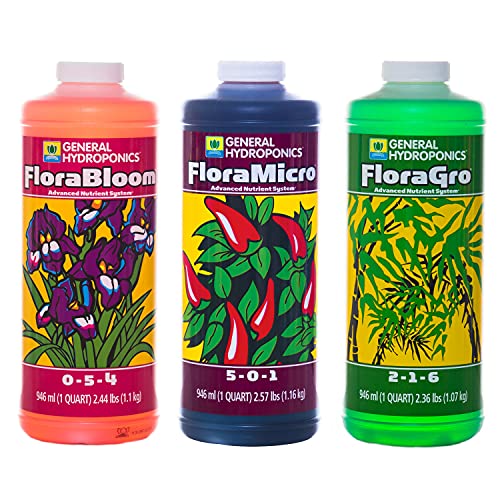
Complete 3-part nutrient system for all growth stages. Industry-standard formula used by beginners and professionals worldwide. 500ml each.

Accurate digital pH meter for precise nutrient solution monitoring. Includes calibration solutions and carrying case. Auto-temperature compensation.
Products Mentioned in This Guide
Find Your Perfect Setup
Answer a few quick questions and get personalised recommendations.
Start the QuizFrequently Asked Questions
Related Guides
Ready to find your perfect setup?
Our quiz matches you with the right system, lights, and supplies.
Take the Quiz - It's FreeNo email required