AeroGarden Harvest vs Bounty 2026: Which Should You Buy?

Home grower and obsessive researcher. Years in commercial product sourcing means I evaluate growing equipment the way a buyer does — specs, build quality, and real-world performance, not marketing claims.
Just so you know, some links on this page are affiliate links. If you buy something via them, we get a small kickback. You don't pay more, but it helps toward seeds and kit.
Fresh basil on the counter in January, mint whenever you want it, cilantro without a shop run: that is what an AeroGarden does, and it works. For most people the Harvest is the one to buy: six pods, a 20W full-spectrum LED, and herbs ready to cut in about four weeks. Step up to the nine-pod Bounty only if you want tomatoes and peppers or more variety at once. And here is the 2026 update that changes the old advice: the Bounty worth buying today is the Bounty Basic, not the pricier Wi-Fi model.
Not sure which setup is right for you?
Take Our QuizThe old version of this guide told you to pay extra for the Wi-Fi Bounty. That advice has aged. Wi-Fi was never the real reason to size up from a Harvest, and the Wi-Fi model has become the harder of the two to find. The two things that genuinely justify the bigger unit are 24-inch grow height and nine pods, and the Bounty Basic gives you both for less. So which is it for you? For most, the honest answer is the Harvest. This comparison is really Harvest versus Bounty Basic, and here is how each one earns its place.
The AeroGarden Harvest
Six pods, 20 watts, 12-inch maximum plant height. The Harvest is the right countertop garden for the herb grower who does not need anything beyond that.
The 20-watt full-spectrum LED runs automatically on a 16-hour cycle: on at dawn, off at night. No programming, the timer is built in from the moment you plug it in. Light intensity is fine for herbs and compact lettuce. Basil starts giving you cuttings about four weeks from germination. Mint and chives establish fast and keep producing for months. Butterhead lettuce comes in around three to four weeks and regrows after cutting. For this class of crops, 20 watts is genuinely enough.
That 12-inch ceiling is where the Harvest runs out of room. Herbs stay well under it. Tomatoes and peppers do not. Cherry tomato pods sold for the Harvest will sprout and grow, but they hit the light arm before they reach a productive size. The plant wants height the fixed arm cannot give it. That is exactly what the Bounty's 24-inch clearance solves.
Water capacity is 0.7 gallons, so top-ups land about once a week, less for seedlings, more in summer. Nutrients go in every couple of weeks per the included guide. There is no reminder beyond the small indicator light on the unit.
What owners consistently report: reliable herb growth with almost no intervention, real satisfaction with the app-free simplicity (no account, no connectivity to troubleshoot), and the occasional gripe about the 12-inch ceiling when they try to push into bigger plants. That last one is not a fault. People simply end up wanting more room than six pods gives them.
Growing in cycles stretches what the Harvest delivers well past what the pod count suggests. Basil and lettuce finish in four to six weeks, freeing pods for a fresh sowing. Stagger your starts and you get a near-continuous harvest instead of everything maturing at once. Most Harvest owners settle into a rhythm of a couple of basil pods, two of mint or cilantro, and the rest rotating through lettuce or seasonal herbs. That runs on autopilot and keeps the counter productive all year.
A note on variants: the Harvest Lite (2024) dropped the LED from 20W to 15W. Owner feedback has been noticeably weaker than the original, and several review sites pulled it from their picks. Stick to the original Harvest at 20W, or the Harvest Elite 360 for the premium stainless finish. I'd skip the Lite.
The AeroGarden Bounty
Nine pods, 24-inch maximum height, a 30W LED, and a touchscreen panel. The Bounty is what the Harvest becomes when you add three pods and, more importantly, double the grow height. The version I'd buy today is the Bounty Basic, and it is worth explaining why.
There are two Bounty models to know about. The Wi-Fi Bounty adds app control and a slightly stronger 40W LED. The Bounty Basic keeps the same nine pods, the same 24-inch clearance, and the same touchscreen, and drops the Wi-Fi for a lower price. Two things make the Basic the smarter buy: Wi-Fi was never the reason to move up from a Harvest, and the Wi-Fi model has been the harder one to get for much of 2026. Since the height and pod count are what you are really paying for, the Basic delivers the important part. Check current availability on both before you commit.
The 24-inch grow height is the spec that changes what this unit can do. Cherry tomatoes need that vertical room to give you a real crop. Dwarf peppers do well. Larger basil types, Thai basil and the bigger sweet basils, grow taller than compact varieties and use the extra headroom. The Harvest's 12 inches is a hard ceiling for anything that wants to climb. The Bounty removes it.
Nine pods is enough to run a full herb rotation without compromises. Basil, mint, cilantro, thyme, chives, dill, and lettuce is seven varieties, and you still have two slots for experiments or extra of whatever you use most. On a Harvest you are choosing which four or five things matter most. On a Bounty you are not.
The 30W LED is a clear step up from the Harvest's 20 watts, and it is enough for fruiting crops. The Wi-Fi Bounty's 40W is a touch stronger, but not by enough to justify the premium or the harder search. For herbs, salad, and a few cherry tomatoes, 30 watts over nine pods does the job.
Its touchscreen panel walks you through planting and prompts you when water and nutrients run low. It does the same job the app does on the Wi-Fi model, just on the unit instead of your phone. If you have ever killed houseplants through simple forgetfulness, those on-screen prompts are the safety net that keeps a garden alive. What you give up without Wi-Fi is remote monitoring and phone notifications, a genuine convenience for frequent travelers and close to irrelevant for everyone else.
Owners running a full nine-pod garden tend to say the same thing: the extra capacity changes how you use it. With nine plants going at once, the touchscreen's per-pod tracking and harvest reminders stop being a gimmick and start being genuinely useful, because keeping nine planting dates straight in your head is a chore nobody wins. That organizational layer is one you simply do not need at six pods, and one you will lean on at nine.
If you specifically want app control, the Wi-Fi Bounty is out there. Just do not pay a grey-market markup for it, and do not assume it is the default upgrade. The Basic gets you the growing, which is the part that matters.
Head-to-Head
| Feature | Harvest | Bounty Basic | Winner |
|---|---|---|---|
| Value | Lowest cost of entry | Small step up for double the height | Harvest |
| Pod count | 6 | 9 | Bounty Basic |
| LED wattage | 20W | 30W | Bounty Basic |
| Max plant height | 12 inches | 24 inches | Bounty Basic |
| Reservoir and top-ups | Smaller tank, weekly top-ups | Larger tank, fewer top-ups | Bounty Basic |
| Control panel | Indicator light only | Touchscreen with reminders | Bounty Basic |
| For tomatoes and peppers | No | Yes | Bounty Basic |
On raw specs the Bounty Basic wins most rows, and it should: it is the bigger machine. The real question is which of those wins you actually need. If you are growing herbs and salad, the Harvest matches the Bounty on the only rows that matter to you and costs less. If you want tomatoes, peppers, or nine pods of variety, every Bounty win is a reason you are buying it.
Which One to Buy
Buy the Harvest if you are growing herbs and lettuce. Basil, mint, cilantro, dill, parsley, chives, butterhead lettuce: the Harvest handles all of them at 20 watts and 12 inches with no limit that matters for those crops. The modest amount you would spend stepping up to a Bounty buys height and pods you will not fill. Put the difference toward fresh seed pods instead.
Buy the Harvest if counter space is tight. The footprint is smaller. On a crowded kitchen counter that is a real advantage.
Buy the Harvest if you want the simplest possible setup. No touchscreen menus to learn, no larger unit to house. Fill it, drop in the pods, press start.
Buy the Bounty Basic if you want tomatoes or peppers. This is the clearest reason to size up. The 24-inch clearance is what lets fruiting crops reach a worthwhile size, and cherry tomatoes do well in it with a little pod positioning and light training. The Harvest cannot match that no matter what else goes right.
Buy the Bounty Basic if you want nine pods. Basil, mint, cilantro, thyme, chives, dill, and two lettuces all at once needs the capacity. The Harvest forces trade-offs; the Bounty does not.
Buy the Wi-Fi Bounty only if remote monitoring is genuinely worth it to you. If phone notifications while you are away from home would change whether your plants survive, the Wi-Fi model is the one, when you can track it down. For everyone else the Basic's on-screen reminders cover the same need for less.
Consider neither if you want serious growing volume. Both are countertop gardens capped at nine pods. To supply a household with regular lettuce or grow herbs at scale, you will outgrow both. A small DWC setup or NFT system handles far more plants at lower long-term cost. The best hydroponic systems guide has options that scale.
Seed Pod Economics
Both models use AeroGarden's proprietary pod system. The official pre-seeded pods are convenient but cost more per crop than growing from seed, and the gap adds up over a year.
Most committed owners switch to third-party grow-anything baskets within a few months. These generic net-pot inserts are inexpensive and let you start any seed in AeroGarden spacing, which drops your ongoing cost to little more than the price of a seed packet. Over a full year of growing, your own seeds cost a fraction of branded pods.
The official pods do earn their keep for beginners: they arrive pre-seeded with the growing medium included and remove the germination step entirely. For a first crop, that hand-holding is worth it. After that, switching to your own seeds and generic inserts is the sensible move on either model.
Nutrient cost is similar between the two. AeroGarden sells its own liquid feed, and any hydroponic nutrient works. The branded bottle is fine, and no better than a generic at doing the job.
What to Avoid
AeroGarden Harvest Lite (2024 model): the update dropped the LED from 20W to 15W. Owner feedback came in weaker than the original Harvest, and several review sites removed it from their picks soon after launch. Stick to the original Harvest at 20W or the Harvest Elite 360. The Lite is the one to skip.
Overpaying for the Wi-Fi Bounty: when the Wi-Fi model is hard to find, third-party listings often appear at inflated prices. Do not chase them. The Bounty Basic gives you the 24-inch height, the nine pods, and the touchscreen reminders that actually matter, for less. Wi-Fi is a convenience, not a reason to overpay.
Either model for serious fruiting-crop production: AeroGarden's marketing shows tomatoes and peppers thriving, and they do grow. But a countertop garden at six or nine pods is a constrained format with limited root space. Cherry tomatoes from a Bounty are a lovely treat, not a harvest you cook from. To grow enough to rely on, you need a larger system.
FAQ
Can the AeroGarden Harvest grow tomatoes?
Technically yes, practically no. AeroGarden sells cherry tomato pods for the Harvest, and the plants will germinate and grow. But the 12-inch ceiling means they run out of room before they reach a productive size, and owners who try it consistently report thin yields. If tomatoes matter, the Bounty's 24-inch clearance is the minimum you need.
What grows best in the AeroGarden Harvest?
Herbs are the standouts: basil, mint, cilantro, dill, chives, parsley, and thyme. Compact lettuce varieties, especially butterhead and leaf types, are excellent. These stay well within the 12-inch limit and grow fast enough for regular harvests. Most Harvest owners end up running a rotating herb garden with a lettuce slot or two.
Do the AeroGarden Harvest and Bounty use the same seed pods?
Yes. AeroGarden's pod kits are compatible across models, though the Bounty uses more pods per kit. Third-party grow-anything baskets fit every AeroGarden model and let you use any seed, which is how most long-term owners cut their running costs.
Is the AeroGarden Bounty Basic worth buying?
Yes, and in 2026 it is the Bounty I'd point most people to. It has the same nine pods, the same 24-inch grow height, and the same touchscreen as the Wi-Fi model, for a lower price. The only thing you give up is app control, which was never the reason to move up from a Harvest. The 24-inch height and the pod count are, and the Basic has both. It is also the easier of the two to find.
How much does each AeroGarden cost to run?
Not much. Both draw modest power for a 16-hour daily light cycle, and the Bounty's larger light costs a little more to run than the Harvest's. The bigger ongoing cost is seed pods if you stick with branded kits. Switch to your own seeds in generic inserts and the running cost drops to little more than a seed packet a year.
What I'd Buy Today
For most people: the AeroGarden Harvest. If you want fresh herbs and salad from a counter garden, it does the job without paying for height and features herb growers do not use.
Get the AeroGarden Harvest on Amazon
If tomatoes or peppers are on your list, or you want nine pods of variety, the AeroGarden Bounty Basic is the upgrade that earns its place, and it is the Bounty version that makes the most sense in 2026.
Get the AeroGarden Bounty Basic on Amazon
Cross-shopping outside the AeroGarden line? If silence is your priority, the pumpless Click & Grow wins on noise where the AeroGarden hums: see AeroGarden Harvest vs Click & Grow Smart Garden 9 before you decide.
Fresh basil cut in January, no shopping trip, no plastic packaging, no wilted supermarket bunch. That is the whole point of owning one of these, and both deliver it. The Harvest just delivers it for less.
What You'll Need With It
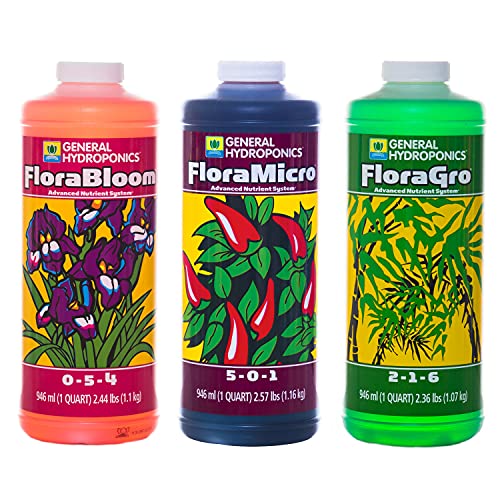
Complete 3-part nutrient system for all growth stages. Industry-standard formula used by beginners and professionals worldwide. 500ml each.

Accurate digital pH meter for precise nutrient solution monitoring. Includes calibration solutions and carrying case. Auto-temperature compensation.
Products Mentioned in This Guide
Find Your Perfect Setup
Answer a few quick questions and get personalised recommendations.
Start the QuizFrequently Asked Questions
Related Guides
Ready to find your perfect setup?
Our quiz matches you with the right system, lights, and supplies.
Take the Quiz - It's FreeNo email required